

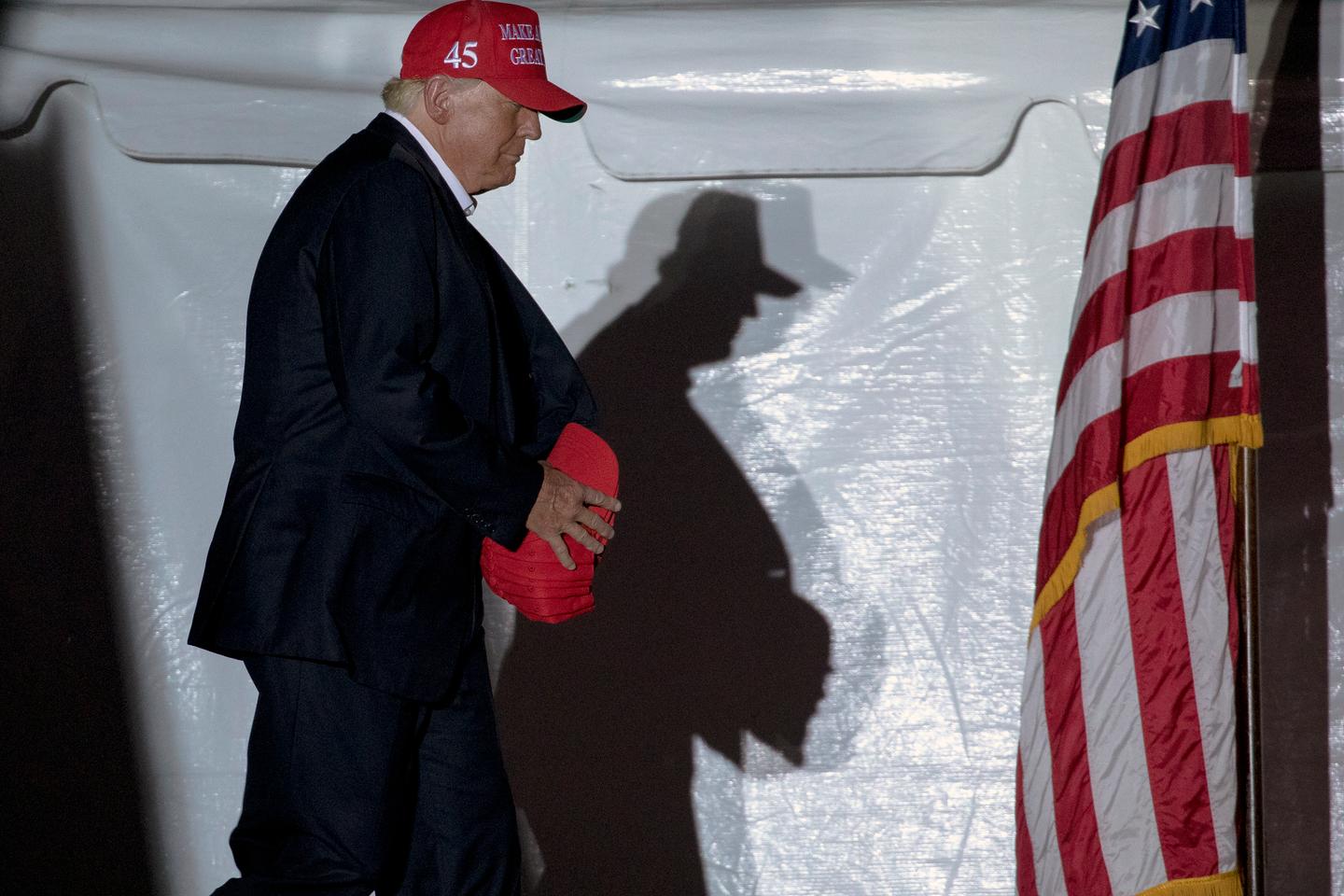
Trump’s Shadow Looms: Today’s Headlines Unfold
Ever feel like you’re watching a rerun? Even though the credits rolled a while ago, the echoes of the Trump era continue to reverberate through today’s headlines. From policy debates to political maneuverings, his influence, or at least the specter of it, is undeniably present. It’s like trying to redecorate a room when the previous tenant’s wallpaper is stubbornly refusing to peel off.
But why is this the case? And more importantly, what does it mean for the future? Let’s dive into the current landscape, dissect the lasting impact, and, most importantly, figure out how we can navigate this reality.
The Lingering Echoes: Short-Term Impacts
In the immediate aftermath of any major shift, it’s natural to see remnants of the past. Think of it like this: a ship changes course, but the waves created by its previous trajectory continue to ripple outwards. Several key areas are feeling these ripples right now:
- Policy Polarization: The Trump administration’s approach to issues like immigration, trade, and healthcare injected a significant dose of polarization into the political bloodstream. This divide hasn’t magically disappeared. We see it in the ongoing debates over border security, the struggle to find common ground on healthcare reform, and the contentious battles over trade agreements. Even seemingly innocuous issues are often viewed through a partisan lens shaped by the previous administration’s rhetoric.
- Erosion of Trust: One of the most damaging legacies may be the erosion of trust in institutions – from the media to the judiciary. The constant barrage of “fake news” accusations and challenges to the legitimacy of the electoral process has left many questioning the reliability of information sources and the fairness of the system itself. This cynicism makes it harder to address complex problems and fosters a climate of suspicion.
- Geopolitical Realignment: Trump’s “America First” approach ruffled feathers on the international stage. Alliances were strained, trade wars erupted, and the U.S. retreated from several international agreements. While the current administration is working to repair these relationships, the global landscape has fundamentally shifted. Other nations are hedging their bets, seeking new partnerships, and reevaluating their reliance on the U.S.
The Long Game: Long-Term Implications
The short-term ripples are concerning, but the long-term implications are what truly demand our attention. These are the seeds planted that could sprout into significant challenges down the road:
- Judicial Appointments: Perhaps the most enduring legacy will be the conservative tilt of the judiciary. With numerous lifetime appointments made during his presidency, Trump reshaped the legal landscape for decades to come. This has profound implications for issues ranging from abortion rights to environmental regulations. The long-term impact on American jurisprudence will be debated and felt for generations.
- Shifting Political Coalitions: The Trump era exposed fault lines within both major political parties. We saw the rise of a populist wing within the Republican Party and a growing divide between moderate and progressive Democrats. These shifts are likely to reshape the political landscape in the years to come, leading to new alliances, new priorities, and potentially new political parties.
- The Future of Democracy: Perhaps the most profound long-term concern is the health of democracy itself. The events surrounding the 2020 election, including the spread of misinformation and the January 6th insurrection, raised serious questions about the resilience of democratic institutions. Safeguarding against future attempts to undermine the electoral process and restore faith in democratic norms is a challenge that will require sustained effort and vigilance.
Navigating the Shadow: Practical Solutions
Okay, so the picture isn’t exactly rosy. But dwelling on the problems won’t solve them. The good news is that we have agency. We can take concrete steps to mitigate the negative impacts and build a more resilient future.
Here are some practical solutions:
- Cultivate Critical Thinking:
- The Problem: The deluge of information and misinformation makes it difficult to discern fact from fiction.
- The Solution: Sharpen your critical thinking skills. Learn to evaluate sources, identify biases, and look for evidence-based arguments. Seek out diverse perspectives and challenge your own assumptions.
- Example: Consider the debate around climate change. Instead of blindly accepting claims from either side, research the scientific consensus, examine the data, and consider the economic and social implications of various policies.
- Engage in Civil Discourse:
- The Problem: Political polarization has made it difficult to have productive conversations with people who hold different views.
- The Solution: Practice active listening, empathy, and respectful communication. Focus on finding common ground and understanding different perspectives, even if you don’t agree with them.
- Example: Instead of attacking someone for their political views, try asking open-ended questions like, “What experiences have shaped your perspective on this issue?” or “What are your concerns about the proposed policy?”
- Support Fact-Based Journalism:
- The Problem: The decline of traditional media and the rise of partisan outlets have made it harder to access reliable information.
- The Solution: Subscribe to reputable news organizations, support independent journalism, and be wary of information that comes from unverified sources.
- Example: Consider subscribing to a news organization that employs fact-checkers and adheres to a strict code of ethics.
- Participate in Civic Life:
- The Problem: Apathy and disengagement can allow extreme voices to dominate the political discourse.
- The Solution: Get involved in your community, vote in every election, contact your elected officials, and advocate for policies that you believe in.
- Example: Volunteer for a local organization, attend a town hall meeting, or write a letter to your representative about an issue that you care about.
- Promote Democratic Values:
- The Problem: The erosion of trust in democratic institutions poses a serious threat to the future of democracy.
- The Solution: Uphold the principles of free and fair elections, the rule of law, and the protection of civil rights. Speak out against attempts to undermine democratic norms and promote civic education.
- Example: Participate in voter registration drives, support organizations that promote election integrity, and advocate for policies that protect voting rights.
Alternative Approaches: A Menu of Options
Different situations call for different strategies. Here are some alternative approaches:
- Focus on Local Action: If national politics feel overwhelming, focus on making a difference in your local community. Support local businesses, volunteer for local organizations, and run for local office.
- Build Bridges Across Divides: Seek out opportunities to connect with people who hold different views. Join a book club, attend a community event, or participate in a dialogue group.
- Support Organizations Working for Change: Donate to organizations that are working to address the challenges facing our society, such as environmental groups, civil rights organizations, and groups that promote democracy.
A Brighter Horizon: Taking Action Today
The shadow of the past may loom large, but it doesn’t define our future. By taking proactive steps to cultivate critical thinking, engage in civil discourse, support fact-based journalism, participate in civic life, and promote democratic values, we can navigate the challenges ahead and build a more resilient, just, and equitable society.
Remember, change doesn’t happen overnight. It’s a gradual process, a collective effort. Each small action contributes to a larger movement. Don’t underestimate the power of your voice, your vote, and your commitment to creating a better world.
The challenges are real, but so is our capacity to overcome them. Let’s not be paralyzed by the past, but inspired to build a brighter future, one action at a time. The next chapter is ours to write. Let’s make it a story of hope, resilience, and progress.