

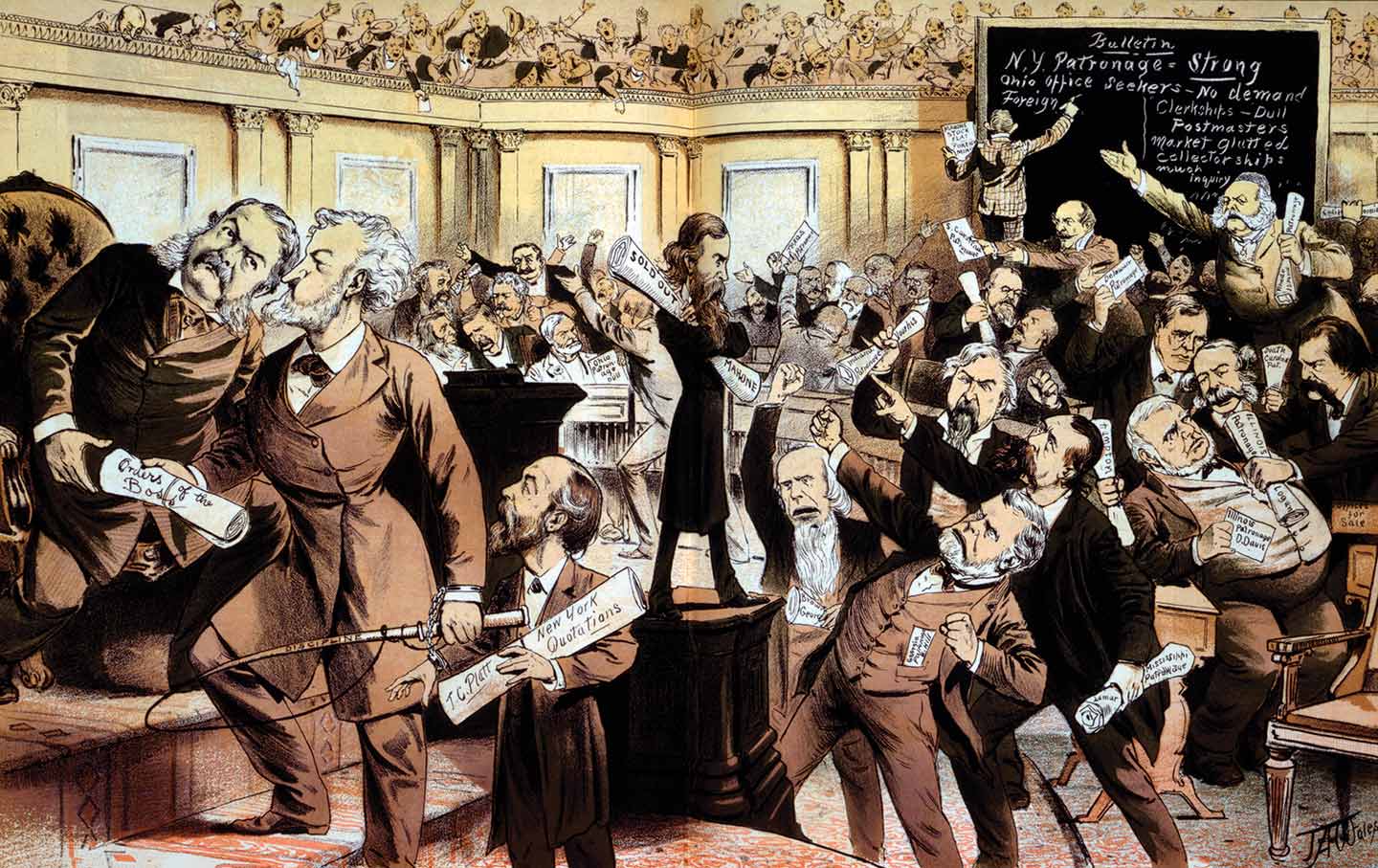
Nation Grips: Democracy Tested
Introduction
Have you ever felt like the ground beneath your feet is shifting? Like the rules you’ve always known, the systems you’ve trusted, are suddenly…different? That’s the feeling sweeping across nations right now. Democracy, once seemingly unshakeable, is facing challenges from all sides, and the cracks are starting to show. This isn’t just about politics; it’s about our future, our communities, and the very fabric of our societies.
Forget the dry textbook definitions for a moment. Think about what democracy really means: the power to shape our own lives, to hold our leaders accountable, and to build a society where everyone has a voice. But what happens when that voice gets muffled? When misinformation drowns out facts? When trust in institutions erodes? We’re seeing these things happen, and the consequences are far-reaching.
Explanation of the Problem
In the immediate term, the strain on democracy manifests in some unsettling ways. Look at the rise in political polarization. People retreat into echo chambers, convinced their side is the only one telling the truth. Dialogue becomes impossible, and compromise feels like betrayal. Think about your own social media feeds. How often do you encounter viewpoints you genuinely disagree with, presented respectfully and with a willingness to listen? Probably not as often as you’d like.
This polarization fuels political gridlock. Governments struggle to pass even basic legislation because opposing sides are too busy fighting to find common ground. Meanwhile, critical issues like climate change, healthcare, and economic inequality languish, unresolved.
And then there’s the erosion of trust. When people lose faith in their elected officials, the media, and even scientific experts, they become susceptible to conspiracy theories and disinformation. This makes it harder to address problems effectively and creates a breeding ground for extremism. Consider the recent rise in distrust surrounding elections. Regardless of your political leaning, the spread of unsubstantiated claims undermines the foundation of our democratic process.
Long-Term Ripples of Doubt
- Economic instability: When investors lose confidence in a country’s political stability, they pull their money out, leading to economic downturns.
- Social unrest: As inequality widens and people feel their voices are ignored, frustration can boil over into protests, riots, and even violence.
- Authoritarian creep: When democratic institutions are weakened, it creates an opening for authoritarian leaders to seize power. History is littered with examples of democracies that crumbled from within, paving the way for oppressive regimes.
- Generational apathy: Imagine a generation growing up believing that their vote doesn’t matter, that the system is rigged, or that their voices will never be heard. This apathy could become a self-fulfilling prophecy, further weakening democracy.
Solutions
So, what can we do? The good news is that we’re not powerless. Strengthening democracy is a collective effort, requiring action on multiple fronts. Here are some practical solutions:
- Cultivate Media Literacy:
In the age of instant information, discerning fact from fiction is crucial. Schools should prioritize media literacy education, teaching students how to critically evaluate sources, identify biases, and spot misinformation. But it doesn’t stop there. We all need to become more discerning consumers of information. Before sharing that sensational headline, take a moment to check its source. Is it a reputable news outlet? Does it cite credible evidence?
Example: The “Stanford History Education Group” has developed excellent resources for teaching media literacy to students of all ages. Their website (sheg.stanford.edu) offers free lesson plans and activities.
- Promote Civic Engagement:
Democracy thrives when people participate actively. Encourage voting, volunteer in your community, attend town hall meetings, and engage in respectful dialogue with people who hold different viewpoints. Even small actions can make a difference.
Case Study: In Estonia, “e-Estonia” has embraced digital governance, allowing citizens to vote online, access government services digitally, and participate in online forums. This has dramatically increased civic engagement and transparency.
- Reform Campaign Finance:
Money plays a huge role in politics. By limiting the influence of wealthy donors and corporations, we can level the playing field and ensure that elected officials are accountable to the people, not just special interests. Support organizations working to reform campaign finance laws.
Alternative Approach: Consider supporting publicly financed elections. This would reduce the reliance on private donations and make candidates more responsive to the needs of ordinary citizens.
- Strengthen Independent Journalism:
A free and independent press is essential for holding power accountable. Support local news organizations and investigative journalism. Subscribe to newspapers and magazines that provide in-depth reporting.
Practical Tip: Combat the spread of fake news by supporting fact-checking organizations like Snopes and PolitiFact. These organizations work tirelessly to debunk false claims and provide accurate information.
- Bridge the Divide:
It’s easy to retreat into echo chambers, surrounded by people who share our views. But to strengthen democracy, we need to reach out to those who disagree with us and engage in respectful dialogue. Look for opportunities to connect with people from different backgrounds and perspectives.
Example: “Braver Angels” is an organization that facilitates workshops and discussions between Republicans and Democrats, helping them to understand each other’s perspectives and find common ground.
- Empower Youth Voices:
The future of democracy rests on the shoulders of the next generation. Create opportunities for young people to get involved in politics, learn about civic engagement, and develop their leadership skills. Support youth-led initiatives and organizations.
Alternative Approach: Implement civics education programs in schools that are engaging, relevant, and empower students to take action in their communities.
Conclusion
Democracy isn’t a spectator sport. It requires active participation from all of us. It requires us to be informed, engaged, and willing to stand up for our values. It requires us to listen to each other, even when it’s difficult, and to find common ground, even when it seems impossible.
The challenges we face are real, but so is our potential to overcome them. By embracing media literacy, promoting civic engagement, reforming campaign finance, strengthening independent journalism, bridging the divide, and empowering youth voices, we can rebuild the foundation of our democracy and create a more just and equitable society for all.
This isn’t just about preserving a system of government. It’s about building a better future for ourselves, our children, and generations to come. It’s about creating a world where everyone has a voice, where everyone has a chance to thrive, and where the power truly resides with the people. The journey might be long and arduous, but the destination is worth fighting for. So, let’s get started. Our democracy depends on it.