

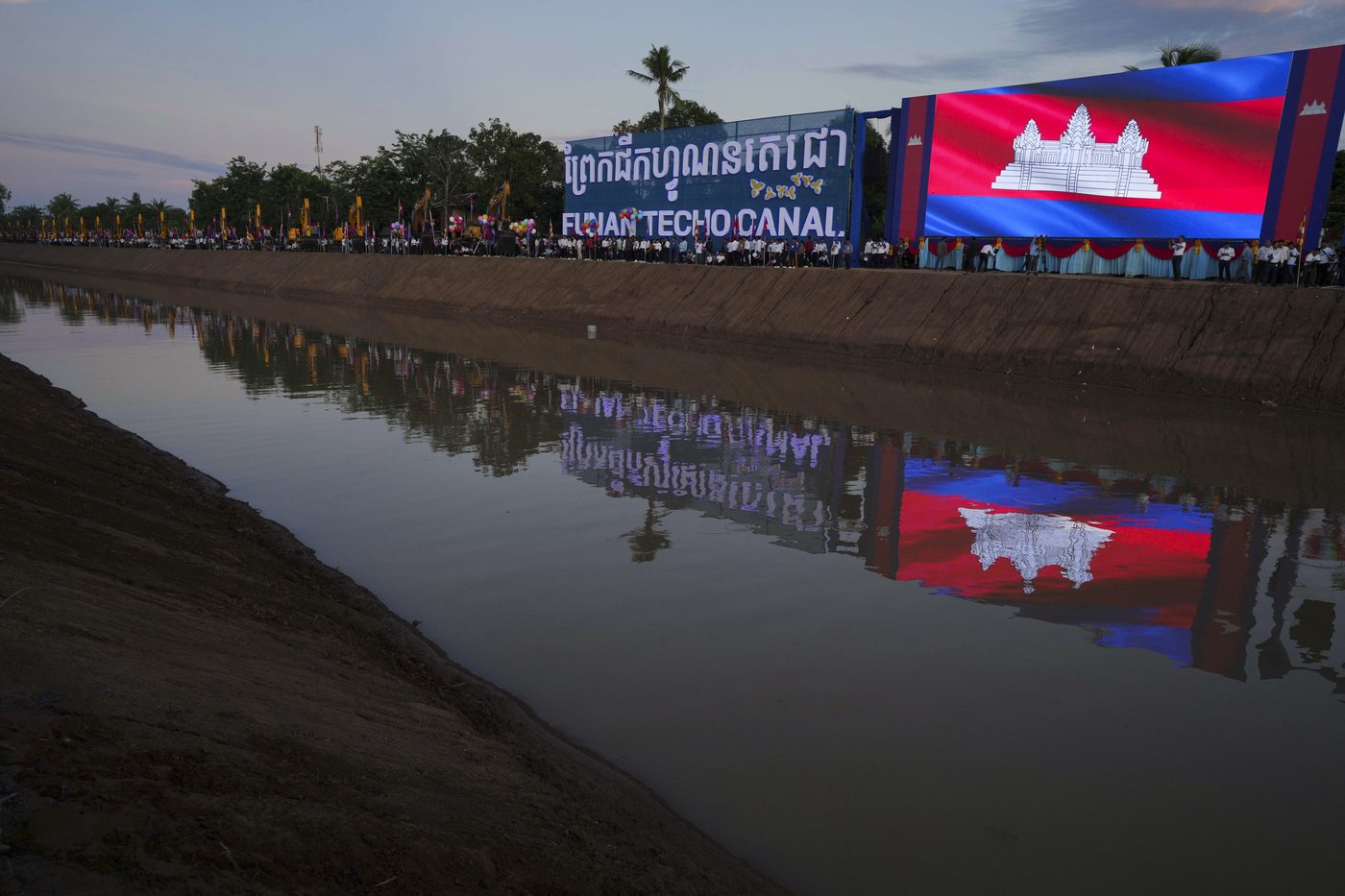
Cambodia Breaks Ground on Controversial $1.7 Billion Canal
Cambodia has commenced construction on a highly debated $1.7 billion canal project, aiming to transform its transportation and economic landscape. The canal, officially known as the “Kampong Speu Inland Waterway,” is expected to significantly enhance Cambodia’s trade capabilities by providing a direct water route from the capital, Phnom Penh, to the Gulf of Thailand. However, the project has stirred considerable controversy due to environmental, social, and geopolitical concerns.
Project Overview
The Kampong Speu Inland Waterway, spanning 180 kilometers, is designed to accommodate large cargo vessels, thereby reducing transportation costs and time for shipping goods. The canal is expected to facilitate the movement of agricultural products, manufactured goods, and natural resources, potentially boosting Cambodia’s GDP by improving trade efficiency and attracting foreign investment.
Prime Minister Hun Sen, during the groundbreaking ceremony, emphasized the canal’s potential to drive economic growth and modernization. “This project will be a game-changer for our nation’s economy, providing new opportunities for trade and investment,” Hun Sen stated.
Economic Benefits
Proponents of the canal highlight several economic benefits, including:
- Trade Efficiency: The canal will offer a more direct route for shipping goods to international markets, reducing dependency on road and rail networks.
- Job Creation: The construction and operation of the canal are expected to create thousands of jobs, from engineering and construction to logistics and maintenance.
- Foreign Investment: Improved infrastructure could attract foreign investors, particularly in sectors such as manufacturing, agriculture, and logistics.
- Regional Integration: The canal is seen as a strategic asset for Cambodia’s integration into the regional and global economy, enhancing its role in the ASEAN trading bloc.
Environmental and Social Concerns
Despite its potential economic advantages, the canal project has faced significant criticism from environmentalists and local communities. Key concerns include:
- Ecological Impact: Environmentalists warn that the construction and operation of the canal could disrupt local ecosystems, affecting water quality, wildlife habitats, and biodiversity. The canal’s route cuts through sensitive areas, including forests and wetlands, which could face irreversible damage.
- Displacement of Communities: The canal project requires significant land acquisition, potentially displacing thousands of residents and affecting their livelihoods. Local communities, particularly those reliant on agriculture and fishing, fear loss of land and resources.
- Water Management Issues: The alteration of natural waterways could lead to changes in water flow, affecting irrigation, drinking water supplies, and flood management.
- Climate Change Considerations: Critics argue that the project has not adequately considered the long-term impacts of climate change, such as rising sea levels and increased frequency of extreme weather events, which could undermine the canal’s sustainability.
Geopolitical Implications
The canal project also carries geopolitical implications, given Cambodia’s strategic location in Southeast Asia. The involvement of Chinese firms in financing and constructing the canal has raised eyebrows, with some viewing it as part of China’s broader Belt and Road Initiative (BRI) strategy. This has led to concerns about increasing Chinese influence in Cambodia and potential debt dependency.
The United States and other Western nations have expressed reservations about the project, urging Cambodia to ensure transparency, environmental protection, and fair compensation for affected communities.
As Cambodia breaks ground on the controversial $1.7 billion canal, the project stands at the intersection of economic ambition and environmental and social challenges. While the canal promises significant economic benefits and a boost to Cambodia’s trade infrastructure, it also raises pressing concerns that must be addressed to ensure sustainable and equitable development. The coming years will be crucial in determining whether the Kampong Speu Inland Waterway can achieve its lofty goals without compromising the well-being of Cambodia’s natural environment and its people.