

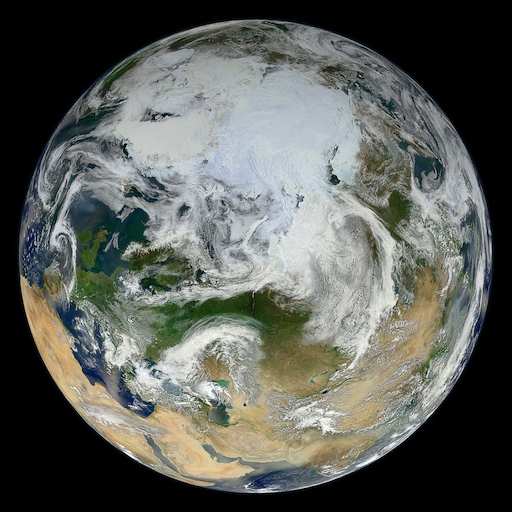
The World. Now.
Introduction
Ever feel like you’re on a rollercoaster, only the track keeps changing? One minute you’re enjoying the view, the next you’re plummeting into a blind curve. That’s life in the 21st century. The world isn’t just changing; it’s evolving at warp speed. We’re bombarded with information, technological advancements, and global events that reshape our reality practically overnight. But beneath the surface of this whirlwind lies a fundamental question: How do we navigate this hyper-connected, rapidly evolving world, not just to survive, but to thrive?
Explanation of the Problem
Let’s face it: the challenges are real. From climate change to economic uncertainty, from geopolitical tensions to the pervasive influence of social media, we are confronted with issues that demand our attention and action. These aren’t distant problems for future generations; they’re impacting us now. Ignoring them isn’t an option.
Short-Term Pain, Long-Term Consequences: The Ripple Effect
Think about climate change. The short-term impacts are already visible – more frequent and intense heatwaves, extreme weather events that disrupt lives and economies. But the long-term consequences? Rising sea levels that could displace millions, disruptions to agriculture leading to food shortages, and potential conflicts over dwindling resources. It’s not just about a hotter summer; it’s about fundamentally altering the planet and the way we live on it.
Then there’s the digital landscape. In the short term, social media provides instant connection and access to information. But the long-term impact on our mental health, our ability to focus, and the spread of misinformation is only beginning to be understood. We’re constantly plugged in, bombarded with curated realities that can erode our self-esteem and fuel division.
These are just two examples, but they highlight a crucial point: every action, every inaction, has a ripple effect. The decisions we make today will shape the world our children and grandchildren inherit. It’s a heavy responsibility, but one we can’t shy away from.
Solutions
So, what can we do? The good news is that we’re not powerless. Solutions exist; they’re just waiting to be implemented, scaled, and embraced by a collective effort. Here are a few practical approaches:
- Embrace Sustainable Living: This isn’t just about recycling. It’s about making conscious choices in every aspect of our lives. Consider your consumption habits. Do you really need that new gadget? Can you repair something instead of replacing it? Support businesses committed to sustainable practices. Even small changes, like switching to reusable shopping bags or reducing your meat consumption, can make a difference when multiplied across millions of people.
- Case Study: Patagonia, the outdoor apparel company, is a prime example of a business prioritizing sustainability. They actively encourage customers to repair their products, offer repair services, and use recycled materials in their manufacturing processes. Their commitment to environmental responsibility has not only earned them a loyal customer base but also set a standard for other companies to follow.
- Become a Media Literacy Advocate: In a world saturated with information, critical thinking is more crucial than ever. Learn to distinguish between credible sources and fake news. Teach your children to question everything they see online. Support initiatives that promote media literacy education in schools and communities.
- Practical Tip: Before sharing an article on social media, take a moment to verify the source. Look for signs of bias, check the author’s credentials, and see if other reputable news outlets are reporting the same information.
- Invest in Education and Innovation: The problems we face require innovative solutions. Support education initiatives that equip individuals with the skills they need to succeed in a rapidly changing job market. Encourage investment in research and development of sustainable technologies, renewable energy sources, and solutions to address climate change.
- Example: The rise of electric vehicles is a testament to the power of innovation. Government incentives and private sector investment have fueled the development of more efficient and affordable EVs, paving the way for a cleaner transportation future.
- Engage in Your Community: Change starts at the local level. Get involved in your community. Support local businesses, volunteer for organizations that address social issues you care about, and participate in local government. Your voice matters, and collective action can create a powerful force for positive change.
- Actionable Step: Attend a local city council meeting. Understand the issues facing your community and voice your concerns. Even a small amount of participation can make a big impact.
- Prioritize Mental Wellness: The constant barrage of information and the pressures of modern life can take a toll on our mental health. Make time for self-care, practice mindfulness, and seek professional help if you’re struggling. A healthy mind is essential for navigating the challenges of the world and contributing to positive change.
- Simple Exercise: Take five minutes each day for quiet reflection. Focus on your breath and let go of any anxieties or worries. Even a short period of mindfulness can help reduce stress and improve your overall well-being.
Alternative Approaches: A Menu of Possibilities
No single solution fits all. Here are some alternative approaches to consider:
- Mindful Consumption: Instead of completely cutting out consumption, focus on consuming consciously. Ask yourself if you truly need something before buying it. Choose quality over quantity. Support ethical and sustainable brands.
- Digital Detox: Schedule regular breaks from technology. Designate specific times when you’re completely disconnected from your devices. Use this time to connect with nature, spend time with loved ones, or engage in hobbies that bring you joy.
- Civic Engagement Lite: If you’re short on time, find small ways to participate in your community. Sign online petitions, donate to causes you care about, or share information about important issues on social media.
- Personal Sustainability Project: Choose one specific area of your life to focus on improving your sustainability. Maybe it’s reducing your food waste, conserving water, or using public transportation more often.
Conclusion
The world is changing, rapidly and sometimes unpredictably. But that doesn’t mean we have to be passive observers. We have the power to shape our future, to create a world that is more sustainable, more equitable, and more fulfilling for all. It starts with awareness, understanding, and a willingness to take action, however small.
It’s not about being perfect; it’s about making progress. It’s about embracing the challenges with resilience and optimism. It’s about recognizing that we’re all in this together, and that by working together, we can create a brighter future for ourselves, for our children, and for generations to come. The world. Now. It’s our world. Let’s make it a better one.