

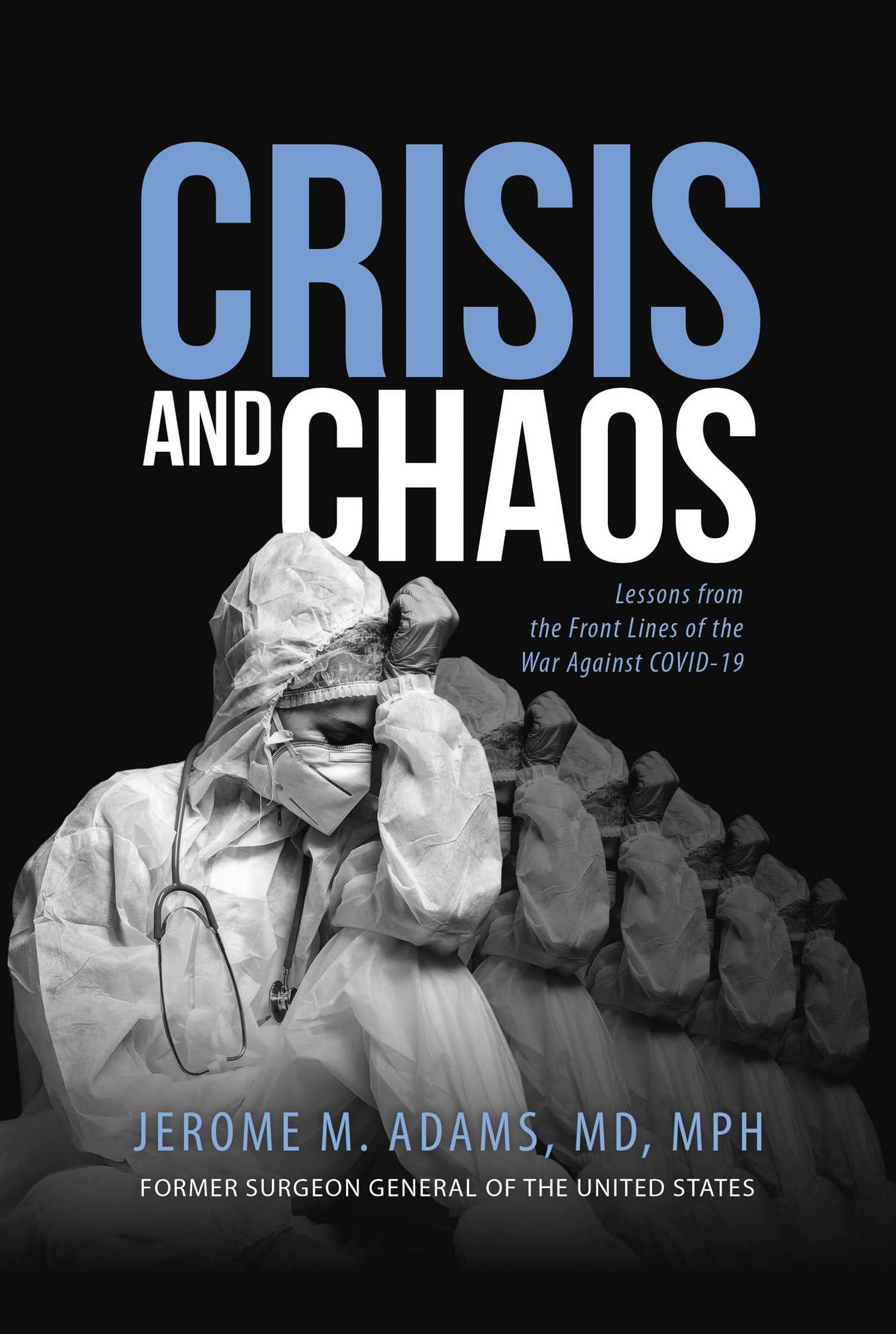
Chaos Unfolds: Today’s World in Crisis
Introduction
Okay,let’s be real.You don’t need me to tell you things feel…a little off.Turn on the news,scroll through social media,and it’s like wading through a swamp of crises.From climate change anxieties to political polarization and economic uncertainties,it can feel like the world is spinning out of control.But before you reach for the nearest comfort food and binge-watch cat videos(tempting,I know!),let’s take a deep breath and unpack this “chaos” a bit.We’ll figure out what’s really going on,why it matters to you,and most importantly,what we can *actually* do about it.
Think of this not as a doomsday prophecy,but as a reality check and a call to action.Because despite the headlines,there’s still plenty of room for hope and meaningful change.
The Perfect Storm: A Cocktail of Crises
So,what’s contributing to this global feeling of unease?It’s not just one thing;it’s a complex cocktail of interconnected issues:
- The Climate Crisis:Let’s get the big one out of the way.Extreme weather events are becoming more frequent and intense.We’re seeing rising sea levels,devastating droughts,and unprecedented wildfires.This isn’t a distant threat;it’s impacting communities and economies *right now*.
- Economic Instability:Inflation is squeezing household budgets,supply chains are still recovering from pandemic-related disruptions,and whispers of recession are growing louder.The feeling of financial insecurity is widespread.
- Political Polarization:We’re living in an era of increasingly divided societies.Political discourse has become more hostile,compromising is seen as weakness,and echo chambers reinforce existing biases.This makes it incredibly difficult to address pressing issues effectively.
- Social Inequality:The gap between the rich and the poor continues to widen,leading to social unrest and resentment.Access to basic necessities like healthcare,education,and housing remains unequal in many parts of the world.
- Information Overload & Misinformation:We’re bombarded with information from countless sources,making it difficult to discern what’s true and what’s not.This “infodemic” fuels distrust and makes it harder to find common ground.
Short-Term Pain, Long-Term Scars
What are the immediate consequences of these overlapping crises?We’re already seeing:
- Increased Food Insecurity:Climate change and supply chain disruptions are driving up food prices,making it harder for vulnerable populations to access nutritious meals.
- Displacement and Migration:Extreme weather events and political instability are forcing people to leave their homes,creating humanitarian crises and straining resources in host countries.
- Mental Health Challenges:The constant barrage of bad news and the uncertainty about the future are taking a toll on our mental well-being.Anxiety,stress,and depression are on the rise.
But the long-term impacts are even more concerning:
- Ecosystem Collapse:Continued environmental degradation could lead to irreversible damage to vital ecosystems,threatening biodiversity and the planet’s ability to sustain life.
- Economic Recession:Widespread economic instability could trigger a global recession,leading to job losses,poverty,and social unrest.
- Erosion of Democracy:Political polarization and the spread of misinformation could undermine democratic institutions and lead to authoritarianism.
- Increased Conflict:Competition for scarce resources and growing social inequality could fuel conflicts within and between nations.
So, What Can We Do? Practical Solutions for a Chaotic World
Okay,deep breath.It sounds grim,I know.But here’s the thing:despair is a luxury we can’t afford.The good news is that there are concrete steps we can take,both individually and collectively,to mitigate these crises and build a more resilient future.
Here are some practical solutions,broken down into different areas:
- Environmental Action:
- Reduce Your Carbon Footprint:This is the obvious one,but it’s still crucial.Consider reducing your meat consumption,using public transportation,investing in energy-efficient appliances,and supporting businesses committed to sustainability.
- Example:Instead of driving alone,carpool with coworkers or take public transportation a few days a week.
- Support Renewable Energy:Advocate for policies that promote renewable energy sources like solar,wind,and geothermal.Invest in renewable energy for your home if possible.
- Example:Many utility companies offer options to purchase electricity generated from renewable sources.
- Practice Conscious Consumption:Reduce waste by buying less stuff,choosing products with minimal packaging,and repairing items instead of replacing them.
- Example:Bring your own reusable bags to the grocery store and refuse single-use plastic items.
- Reduce Your Carbon Footprint:This is the obvious one,but it’s still crucial.Consider reducing your meat consumption,using public transportation,investing in energy-efficient appliances,and supporting businesses committed to sustainability.
- Economic Empowerment:
- Support Local Businesses:Investing in local businesses helps create jobs and strengthens your community’s economy.
- Example:Shop at local farmers’ markets and independent stores instead of big chain retailers.
- Financial Literacy:Educate yourself about personal finance,budgeting,and investing.This can help you build financial security and weather economic storms.
- Example:Take an online course on personal finance or read a book about investing.
- Support Fair Trade:Choose products that are certified fair trade,ensuring that producers in developing countries receive fair wages and working conditions.
- Example:Look for the Fair Trade Certified label when buying coffee,chocolate,and other goods.
- Support Local Businesses:Investing in local businesses helps create jobs and strengthens your community’s economy.
- Political Engagement:
- Vote:Participate in elections at all levels of government.Your voice matters.
- Contact Your Representatives:Let your elected officials know your concerns and advocate for policies that align with your values.
- Support Organizations Working for Change:Donate to or volunteer with organizations that are working to address pressing social and environmental issues.
- Engage in Civil Discourse:Seek out opportunities to have respectful conversations with people who hold different views.
- Fostering Community and Well-being:
- Build Strong Social Connections:Connect with your neighbors,friends,and family.Strong social networks provide support and resilience in times of crisis.
- Practice Self-Care:Take care of your mental and physical health.Engage in activities that reduce stress and promote well-being,such as exercise,meditation,and spending time in nature.
- Spread Positivity:Counteract the negativity by sharing positive stories and acts of kindness.
Case Studies: Seeds of Hope
It’s easy to feel overwhelmed,but it’s important to remember that positive change is happening all around the world.Here are a few examples:
- Costa Rica’s Renewable Energy Success:Costa Rica has become a leader in renewable energy,generating nearly all of its electricity from renewable sources like hydropower,geothermal,and wind.
- The Circular Economy in Amsterdam:Amsterdam is pioneering a circular economy,aiming to eliminate waste and pollution by reusing and recycling resources.
- Community Gardens:Throughout the world,community gardens are empowering people to grow their own food,build community,and promote sustainable agriculture.
Your Role in the Story: From Observer to Agent of Change
The challenges we face are daunting,but they are not insurmountable.The key is to shift from feeling helpless to feeling empowered.You don’t have to solve all the world’s problems on your own.Start small,focus on what you can control,and find ways to contribute to positive change in your own community.
Choose the solutions that resonate with you and fit your circumstances.Maybe you start by reducing your plastic consumption,or perhaps you decide to volunteer at a local food bank.Every action,no matter how small,makes a difference.
Conclusion: A Future Worth Fighting For
Yes,we’re living in a time of crisis,but crisis can also be a catalyst for transformation.By acknowledging the challenges we face,embracing practical solutions,and working together,we can build a more just,sustainable,and resilient world.The future is not predetermined.It is being written every day by the choices we make.Let’s choose to write a story of hope,resilience,and collective action.It’s time to roll up our sleeves and get to work.The future depends on it.