

World on Edge: Crisis Points Erupt
Introduction
Ever feel like you’re watching a pressure cooker about to blow? Globally, it seems we’re juggling multiple crises – from geopolitical tensions simmering to economic uncertainties and the ever-looming climate clock. It’s not just a feeling; the world is genuinely on edge. But instead of succumbing to overwhelm, let’s break down these flashpoints, understand their impacts, and, more importantly, explore practical ways to navigate this complex landscape.
Identifying the Ignition Points
We’re not talking about isolated incidents here. Several key areas are contributing to the global sense of unease:
- Geopolitical Instability: Tensions in Eastern Europe, the South China Sea, and various regions in Africa and the Middle East continue to spark concerns. These conflicts disrupt trade, displace populations, and create a ripple effect felt worldwide.
- Economic Volatility: Inflation remains a persistent challenge in many countries, impacting consumer spending and business investment. Supply chain disruptions, exacerbated by geopolitical events and lingering pandemic effects, add another layer of complexity.
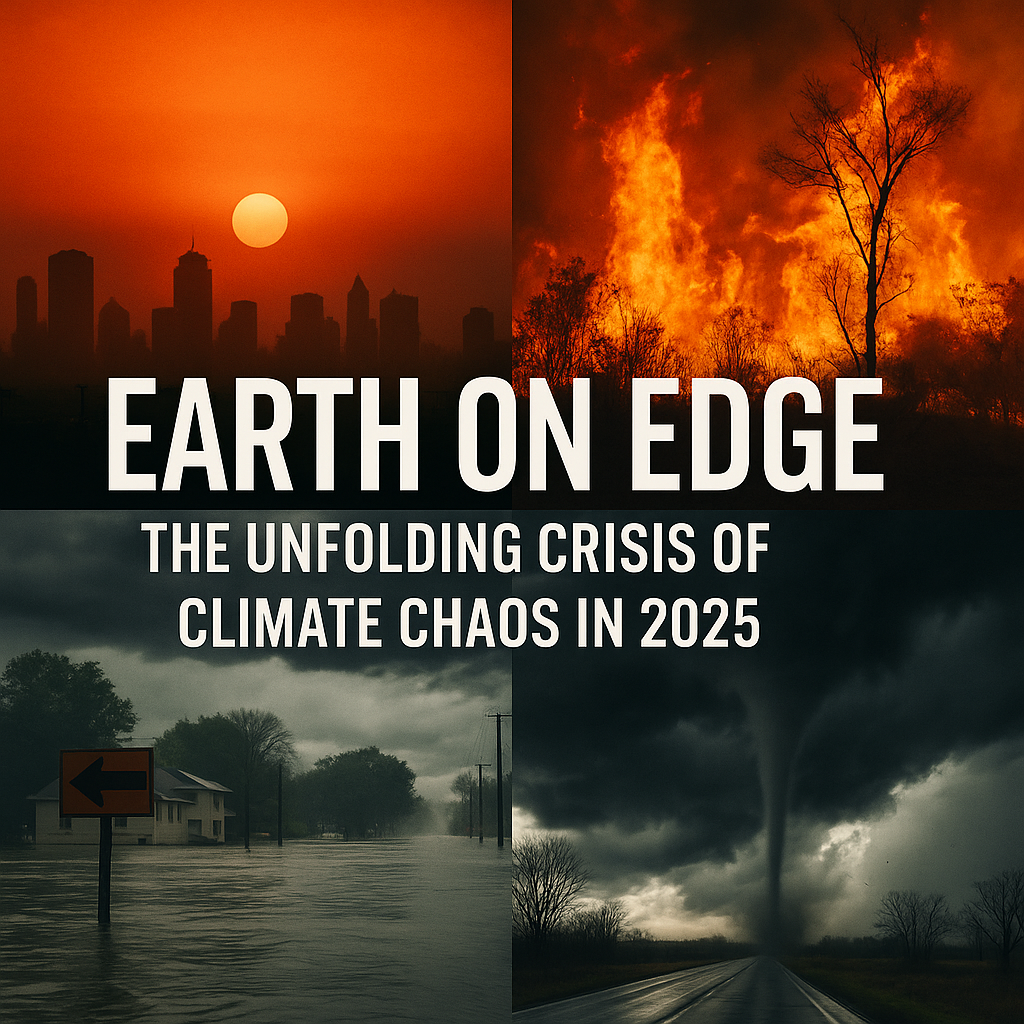
- Climate Change: Extreme weather events – from devastating floods to prolonged droughts – are becoming more frequent and intense. These events threaten food security, displace communities, and place immense strain on infrastructure.
- Technological Disruption: Rapid advancements in artificial intelligence, automation, and other technologies are transforming industries and the job market, leading to anxieties about workforce displacement and the need for widespread reskilling.
The Short-Term Burn and Long-Term Scars
These crises aren’t just headlines; they have tangible consequences in both the short and long term:
- Short-Term Impacts:
- Increased Cost of Living: Inflation directly impacts household budgets, making everyday necessities more expensive.
- Supply Chain Bottlenecks: Disruptions lead to shortages and delays, affecting businesses and consumers.
- Humanitarian Crises: Conflicts and natural disasters displace populations, creating urgent needs for food, shelter, and medical care.
- Market Volatility: Economic uncertainty leads to fluctuations in stock markets and investment values, impacting financial stability.
- Long-Term Impacts:
- Erosion of Trust: Political polarization and misinformation campaigns undermine trust in institutions and experts.
- Increased Inequality: Economic shocks disproportionately affect vulnerable populations, widening the gap between the rich and poor.
- Environmental Degradation: Climate change leads to irreversible damage to ecosystems, threatening biodiversity and resources.
- Geopolitical Realignment: Shifting power dynamics and alliances can reshape the global order, creating new challenges and opportunities.
- Job Market Transformation: Automation and AI will likely lead to a net loss of jobs in some sectors, requiring significant investment in education and training to prepare workers for new roles.
Steering Through the Storm: Practical Solutions
So, what can we do? Feeling powerless raja mahjong288 isn’t the answer. Here are some actionable steps, at both individual and collective levels:
- Financial Resilience: Building Your Safety Net
- Emergency Fund: Aim to have 3-6 months’ worth of living expenses saved in an easily accessible account. This provides a buffer against unexpected job loss or economic downturns.
- Diversify Investments: Don’t put all your eggs in one basket. Diversify your investment portfolio across different asset classes (stocks, bonds, real estate, etc.) to mitigate risk.
- Budgeting and Expense Tracking: Understanding where your money goes is the first step to managing it effectively. Use budgeting apps or spreadsheets to track income and expenses and identify areas where you can cut back.
- Case Study: During the 2008 financial crisis, individuals with diversified portfolios and emergency funds were better positioned to weather the storm than those who were heavily invested in a single asset class or had little savings.
- Information Literacy: Navigating the Noise
- Critical Thinking: Question everything you read and hear, especially online. Look for evidence-based information from credible sources.
- Fact-Checking: Use reputable fact-checking websites to verify claims and identify misinformation.
- Multiple Perspectives: Seek out diverse perspectives on complex issues to gain a more complete understanding.
- Media Diet: Be mindful of your media consumption. Limit your exposure to sensationalized or emotionally charged content that can contribute to anxiety and overwhelm.
- Example: Snopes, Politifact, and FactCheck.org are examples of reputable fact-checking resources.
- Community Engagement: Strengthening Social Bonds
- Local Initiatives: Get involved in local organizations that address community needs, such as food banks, environmental groups, or neighborhood associations.
- Civic Participation: Participate in local elections, attend town hall meetings, and voice your concerns to elected officials.
- Mutual Aid: Support mutual aid networks in your community that provide direct assistance to those in need.
- Social Connection: Prioritize building and maintaining strong social connections with friends, family, and neighbors. Social support is crucial for mental and emotional well-being during times of stress.
- Example: Community gardens not only provide fresh produce but also create opportunities for social interaction and community building.
- Skills Development: Preparing for the Future
- Identify In-Demand Skills: Research industries and jobs that are growing and identify the skills that are in high demand.
- Online Courses and Training: Take advantage of online learning platforms like Coursera, edX, or Udemy to acquire new skills or upgrade existing ones.
- Professional Development: Attend workshops, conferences, and seminars to stay up-to-date on industry trends and best practices.
- Lifelong Learning: Cultivate a mindset of continuous learning and be open to adapting to new technologies and ways of working.
- Example: An accountant taking a course in data analytics to enhance their skills and remain competitive in the job market.
- Sustainable Living: Reducing Our Footprint
- Reduce, Reuse, Recycle: Practice the principles of waste reduction to minimize your environmental impact.
- Energy Conservation: Take steps to reduce your energy consumption, such as using energy-efficient appliances, turning off lights when you leave a room, and insulating your home.
- Sustainable Transportation: Choose sustainable modes of transportation whenever possible, such as walking, cycling, or public transit.
- Support Sustainable Businesses: Patronize businesses that are committed to environmental sustainability and ethical practices.
- Eat Local and Seasonal: Reduce your carbon footprint by purchasing locally grown and seasonal food.
- Example: Switching to LED light bulbs can significantly reduce energy consumption and lower electricity bills.
Alternative Approaches: Tailoring Solutions to Your Circumstances
The above are general guidelines, and the best approach depends on your specific situation. Here are a few alternative approaches to consider:
- For those with limited financial resources: Focus on building a small emergency fund first and prioritizing essential expenses. Explore free or low-cost online courses to develop in-demand skills.
- For those feeling overwhelmed by information: Limit your news consumption to a few trusted sources and focus on understanding the big picture rather than getting bogged down in details. Practice mindfulness and meditation to manage anxiety.
- For those looking to make a bigger impact: Volunteer your time with organizations that are working to address the root causes of global challenges, such as climate change or poverty. Advocate for policies that promote sustainability and social justice.
A Call to Action: Embracing Resilience and Hope
The world may be on edge, but we are not powerless. By taking proactive steps to build financial resilience, cultivate information literacy, engage in our communities, develop our skills, and live sustainably, we can navigate these challenging times with greater confidence and hope.
The key is to remember that collective action amplifies individual efforts. Every small step contributes to a larger movement towards a more just, sustainable, and peaceful world. Let’s not succumb to despair, but rather embrace the opportunity to build a better future for ourselves and generations to come. It’s time to roll up our sleeves, get informed, get involved, and show the world what we’re made of. The future isn’t written in stone; it’s a story we’re all writing, together. Let’s make it a good one.