

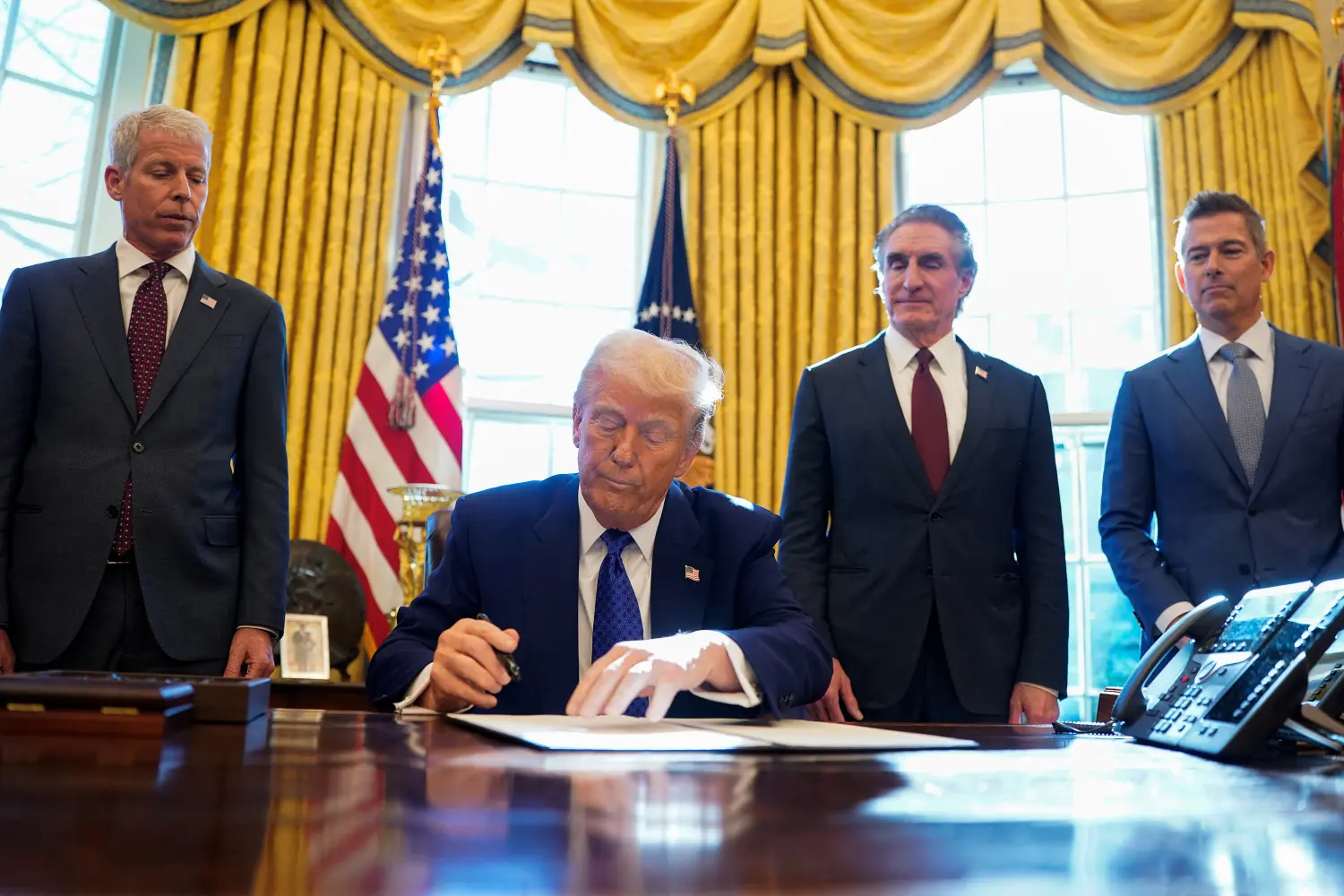
Trump Under Scrutiny: New Developments Emerge
Introduction
Alright, let’s dive straight into it. Donald Trump, a name that consistently triggers headlines and fuels debates, is once again under the microscope. It seems like barely a week goes by without fresh revelations or legal battles adding another layer to the ongoing saga. But what’s different this time? What new developments have surfaced, and more importantly, what do they mean for the future, both in the short and long term?
Forget the political spin for a moment. Let’s focus on the facts, the potential impacts, and what steps could be taken to navigate the complexities that lie ahead.
Explanation of the Problem
The Latest Headlines: A Quick Recap
Over the past few months, a whirlwind of activity has kept Trump in the news. From ongoing investigations into his business practices to the lingering fallout from the January 6th Capitol riot, the legal and political pressures are mounting.
Specifically, several key areas demand our attention:
- The January 6th Investigation: The House Select Committee investigating the attack on the Capitol continues to release findings, painting a picture of Trump’s actions and inactions leading up to and during the event. The potential for criminal referrals and further legal challenges remains a significant concern.
- Business Dealings and Financial Records: Scrutiny surrounding the Trump Organization’s financial dealings persists, with ongoing investigations examining potential fraud and tax evasion. The outcome of these investigations could have far-reaching consequences for Trump’s business empire and personal wealth.
- Classified Documents Investigation: The investigation into the handling of classified documents after Trump left office is generating considerable controversy. The legal ramifications of retaining these documents, and the potential impact on national security, are subjects of intense debate.
Short-Term Impacts: The Immediate Fallout
The immediate impacts of these developments are already being felt across the political spectrum.
- Political Polarization: These investigations and their media coverage further polarize the electorate. Trump’s supporters rally around him, decrying what they see as a “witch hunt,” while his detractors feel increasingly vindicated. This division deepens, making constructive dialogue and compromise even more challenging.
- Electoral Landscape: The ongoing scrutiny casts a shadow over any potential future political ambitions Trump may harbor. While it’s impossible to predict the future, these legal battles could significantly impact his ability to run for office or influence the political landscape.
- Public Discourse: News cycles are dominated by these developments, squeezing out other important issues and contributing to a sense of fatigue and cynicism among the public. The sheer volume of information and the constant barrage of opinions can be overwhelming, leading to disengagement.
Long-Term Impacts: The Broader Implications
Beyond the immediate headlines, these developments have CITA4D the potential to shape the future of American politics and society in profound ways.
- Erosion of Trust: Constant scandals and investigations can erode public trust in institutions and leaders, regardless of party affiliation. This erosion can lead to decreased civic engagement, increased apathy, and a weakening of democratic norms.
- Precedent Setting: The outcomes of these legal battles will set precedents for future presidents and government officials. How these cases are handled will influence the standards of accountability and the limits of executive power for years to come.
- International Relations: The image of the United States on the global stage can be affected by these internal conflicts. Allies and adversaries alike are watching closely, and the perception of stability and competence can be undermined by ongoing turmoil.
Solutions
So, what can be done to address these challenges and mitigate the potential negative impacts? Here are some practical solutions that individuals, institutions, and policymakers can consider:
- Promote Media Literacy: One of the most crucial steps is to equip individuals with the skills to critically evaluate information and identify bias. Media literacy programs in schools and communities can help people differentiate between credible sources and misinformation.
- Example: Organizations like the News Literacy Project offer resources and training for educators and the public to improve media literacy skills.
- Strengthen Legal Frameworks: It’s essential to ensure that laws and regulations are clear, transparent, and consistently enforced. This includes clarifying the responsibilities of former presidents and government officials regarding classified information and financial disclosures.
- Case Study: The Watergate scandal led to significant reforms in campaign finance laws and ethics regulations, demonstrating how past crises can drive positive change.
- Foster Civil Discourse: Creating opportunities for respectful dialogue and debate across ideological divides is crucial. Community forums, town halls, and online platforms can be used to facilitate constructive conversations and build bridges between different viewpoints.
- Example: Programs like “Braver Angels” bring people from different political backgrounds together to engage in respectful dialogue and find common ground.
- Support Independent Journalism: Investigative journalism plays a vital role in holding powerful individuals and institutions accountable. Supporting independent news organizations and investigative reporters can help ensure that the truth is uncovered and reported to the public.
- Example: ProPublica is a nonprofit investigative news organization that produces in-depth reporting on issues of public importance, often uncovering wrongdoing and holding powerful entities accountable.
- Advocate for Transparency: Governments and institutions should prioritize transparency and openness in their operations. This includes making documents and information readily available to the public, within the bounds of national security and privacy.
- Case Study: The Freedom of Information Act (FOIA) is a powerful tool that allows citizens to request access to government documents, promoting transparency and accountability.
- Promote Civic Education: Comprehensive civic education programs in schools can help young people understand the principles of democracy, the importance of civic engagement, and the responsibilities of citizenship.
- Example: iCivics is a non-profit organization that provides free, engaging, and interactive civics education resources for students and teachers.
Alternative Approaches:
There’s no one-size-fits-all solution, and different approaches may be more effective in different contexts. Here are some alternative perspectives to consider:
- Focus on Systemic Issues: Rather than solely focusing on individual actions, some argue that addressing systemic issues like income inequality, political polarization, and lack of economic opportunity is essential for creating a more just and stable society.
- Promote Reconciliation: Others advocate for a focus on reconciliation and healing, emphasizing the importance of forgiveness, understanding, and rebuilding trust within communities.
- Emphasize Shared Values: Focusing on shared values like freedom, justice, and equality can help bridge divides and create a sense of common purpose, even in the face of disagreement.
Conclusion
The scrutiny surrounding Donald Trump and the ongoing legal battles present significant challenges, but they also offer opportunities for growth and reform. By promoting media literacy, strengthening legal frameworks, fostering civil discourse, supporting independent journalism, advocating for transparency, and promoting civic education, we can navigate these complexities and build a more resilient and democratic society.
The path forward won’t be easy. It will require commitment, collaboration, and a willingness to engage in difficult conversations. But by taking action and embracing these solutions, we can create a future where accountability is upheld, trust is restored, and the principles of democracy are strengthened for generations to come. Let’s not stand idly by. Let’s get involved, make our voices heard, and work together to build a better future for all. The time for action is now.