

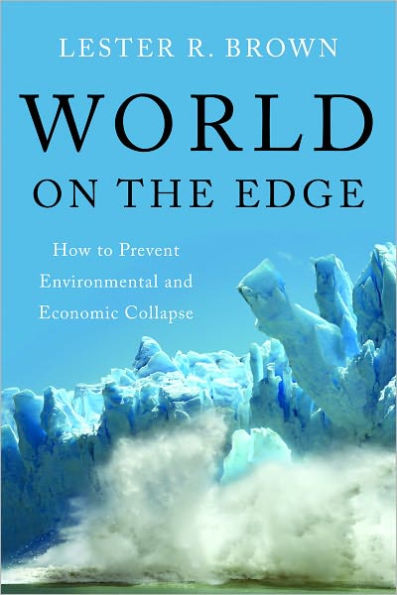
World on Edge: What You Need to Know NOW.
Introduction
Ever feel like you’re balancing on a tightrope, the wind whipping around you? That’s a pretty accurate description of the world right now. From economic uncertainties to geopolitical tensions and rapid technological advancements, we’re living in an era of unprecedented change – and frankly, a bit of anxiety. But don’t reach for the panic button just yet. Understanding the forces at play and having a proactive mindset can empower us to navigate these turbulent times, both personally and professionally. Let’s dive in.
The Shifting Sands: Understanding the Landscape
Let’s be honest, turning on the news these days can feel like stepping into a pressure cooker. Inflation, rising interest rates, global conflicts, and the ever-present climate crisis – it’s a lot to process. But before we get overwhelmed, let’s break down some of the key factors contributing to this feeling of unease:
- Economic Volatility:The post-pandemic recovery has been anything but smooth. Supply chain disruptions, rising energy prices, and the ongoing war in Ukraine have fueled inflation, leading to increased costs of living and concerns about a potential recession. This isn’t just about numbers on a spreadsheet; it’s about the real-world impact on our wallets and the stability of our financial futures.
- Short-Term Impact:Higher prices for groceries, gas, and housing. Increased borrowing costs for mortgages and loans. Job insecurity in certain sectors.
- Long-Term Impact:Potential for slower economic growth. Increased income inequality. A shift in consumer spending habits.
- Geopolitical Instability:From Eastern Europe to the South China Sea, geopolitical tensions are on the rise. This can impact global trade, energy security, and even international relations.
- Short-Term Impact:Disruptions to global supply chains. Increased energy prices. Heightened cyber security threats.
- Long-Term Impact:Potential for military conflicts. Shifts in global power dynamics. Increased investment in defense spending.
- Technological Disruption:The rapid advancement of artificial intelligence, automation, and other technologies is transforming industries and redefining the nature of work. While offering immense opportunities, this also raises concerns about job displacement, ethical considerations, and the potential for misuse.
- Short-Term Impact:Increased demand for tech skills. Automation of certain jobs. Data privacy concerns.
- Long-Term Impact:A fundamental shift in the job market. The rise of AI-powered systems. Ethical dilemmas related to artificial intelligence.
- Climate Change:The effects of climate change are becoming increasingly evident, with more frequent and intense extreme weather events, rising sea levels, and threats to biodiversity. This poses a significant challenge to our planet and requires urgent action.
- Short-Term Impact:Extreme weather events (hurricanes, droughts, floods). Disruptions to agriculture and food production. Increased insurance costs.
- Long-Term Impact:Rising sea levels and coastal erosion. Mass migrations. Damage to ecosystems and loss of biodiversity.
Navigating the Turbulence: Practical Solutions
Okay, so the picture isn’t exactly rosy. But burying our heads in the sand isn’t an option. The good news is that there are practical steps we can take to navigate these challenges and build a more resilient future.
- Financial Resilience:
- Diversify your income:Don’t put all your eggs in one basket. Explore side hustles, freelance opportunities, or invest in multiple income streams. This could be anything from selling handmade crafts online to offering consulting services in your area of expertise.
- Create an emergency fund:Aim to have at least 3-6 months’ worth of living expenses saved in a readily accessible account. This will provide a safety net in case of job loss or unexpected expenses.
- Invest wisely:Consult with a financial advisor to develop a diversified investment portfolio that aligns with your risk tolerance and long-term goals. Consider investing in index funds, ETFs, or real estate.
- Example:A 2023 study by Bankrate showed that only 39% of Americans could comfortably cover a $1,000 emergency expense with savings. Building an emergency fund can significantly reduce financial stress during unexpected crises.
- Skill Up for the Future:
- Identify in-demand skills:Research the skills that are currently in high demand in your industry and in the broader job market. Focus on areas like data analysis, cybersecurity, artificial intelligence, and digital marketing.
- Invest in lifelong learning:Take online courses, attend workshops, or pursue certifications to acquire new skills and stay up-to-date with the latest trends. Platforms like Coursera, Udemy, and LinkedIn Learning offer a wide range of courses at affordable prices.
- Network with professionals in your field:Attend industry events, join online communities, and connect with people who can offer mentorship and guidance. Networking can help you stay informed about job opportunities and gain valuable insights into the changing landscape of your industry.
- Example:The World Economic Forum’s “The Future of Jobs Report” highlights the growing demand for analytical thinking, innovation, and technology design skills. Investing in these areas can significantly enhance your career prospects.
- Embrace Sustainability:
- Reduce your carbon footprint:Make conscious efforts to reduce your energy consumption, conserve water, and minimize waste. Switch to renewable energy sources, use public transportation, and recycle whenever possible.
- Support sustainable businesses:Choose to purchase products and services from companies that are committed to environmental responsibility and ethical practices. Look for certifications like Fair Trade, B Corp, and LEED.
- Advocate for climate action:Contact your elected officials and urge them to support policies that address climate change and promote sustainability. Join environmental organizations and participate in campaigns to raise awareness and drive change.
- Example:Patagonia, a clothing company, has a strong commitment to sustainability and actively promotes environmental activism. They donate a portion of their sales to environmental organizations and advocate for policies that protect the planet.
- Strengthen Your Community:
- Get involved in local initiatives:Volunteer your time and skills to support local organizations that are working to address social and economic challenges in your community.
- Build relationships with your neighbors:Get to know the people who live around you and create a network of support. This can be especially valuable during times of crisis.
- Support local businesses:Shop at locally owned stores and restaurants to help boost the local economy and create jobs.
- Example:Community Supported Agriculture (CSA) programs connect consumers directly with local farmers, providing fresh, seasonal produce while supporting sustainable agriculture and building community relationships.
Alternative Approaches: Customizing Your Response
Not every solution works for everyone. Here are some alternative approaches to consider:
- Focus on mental well-being:Prioritize self-care activities like meditation, exercise, and spending time in nature. Develop coping mechanisms to manage stress and anxiety.
- Seek professional guidance:Consult with a therapist or counselor to address any mental health challenges you may be facing.
- Embrace minimalism:Simplify your life by decluttering your possessions and focusing on experiences rather than material goods.
- Relocate to a more affordable area:If the cost of living in your current location is unsustainable, consider moving to a more affordable area with a lower cost of housing and other expenses.
The Path Forward: A Call to Action
The world may be on edge, but that doesn’t mean we’re powerless. By understanding the challenges we face and taking proactive steps to build resilience, we can navigate these turbulent times and create a brighter future. Remember, even small actions can make a big difference. Invest in your financial security, upskill for the future, embrace sustainability, and strengthen your community. The time to act is now.