

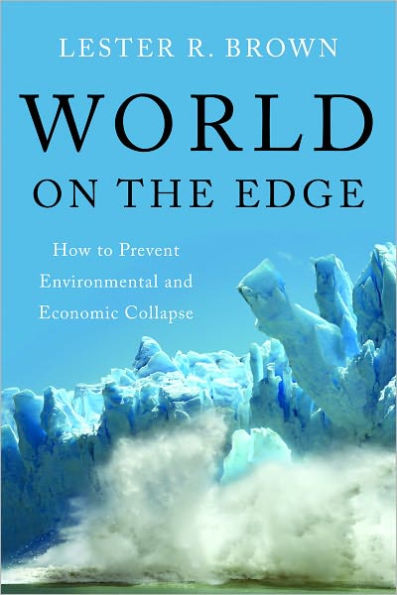
World on Edge: What You Need to Know NOW
Introduction
Feeling it too? That subtle hum of anxiety thrumming beneath the surface of everyday life? It’s hard to ignore the headlines screaming about global uncertainty, economic shifts, and a future that feels less predictable than ever. The world feels like it’s perched on the edge of something significant, and honestly, it’s a perfectly reasonable feeling. But burying our heads in the sand isn’t the answer. Instead, let’s dissect the situation, understand the challenges, and arm ourselves with practical solutions. Because knowledge, as they say, is power, and action is the antidote to anxiety.
Explanation of the Problem
So, what exactly is making the world feel so “on edge”? It’s not one single event, but a confluence of factors, each amplifying the others. We’re talking about rising inflation squeezing budgets, geopolitical tensions sparking uncertainty, and technological advancements reshaping industries at breakneck speed. Add in the lingering effects of a global pandemic, and you’ve got a recipe for widespread unease.
The Short-Term Sting: Inflation and Geopolitics
Let’s zoom in on the immediate concerns. Inflation, that sneaky thief of purchasing power, is hitting wallets hard. From gas prices at the pump to the cost of groceries, everyday expenses are soaring, forcing tough choices. We see this playing out in real-time as families adjust their spending habits, delaying big purchases, and seeking out budget-friendly alternatives.
Coupled with this is the volatile geopolitical landscape. Conflicts, trade wars, and political instability in key regions create ripple effects that impact global markets, supply chains, and even international relations. Consider the impact of the war in Ukraine on global energy prices and food security. These events aren’t just headlines; they directly affect our daily lives, contributing to the feeling of being on shaky ground.
The Long Game: Tech Disruption and a Changing World Order
Looking further down the line, the pace of technological advancement is a game-changer. Artificial intelligence, automation, and rapid digitalization are transforming industries, potentially leading to job displacement and requiring us to constantly adapt and upskill. While these advancements offer incredible opportunities for innovation and progress, they also present challenges in terms of workforce readiness and ethical considerations.
Beyond technology, we’re also witnessing a shift in the global power structure. Emerging economies are gaining influence, challenging the established order and leading to new alliances and rivalries. This dynamic landscape requires a reassessment of international relations, trade agreements, and global governance. The long-term implications of these shifts are still unfolding, adding to the sense of uncertainty about the future.
Solutions
Okay, enough doom and gloom. The good news is, we’re not powerless. We can take proactive steps to navigate these turbulent times and build resilience, both individually and collectively. Here are some practical solutions to consider:
1. Financial Fortification: Manage Your Resources Wisely
- Budgeting is your Best Friend: Track your income and expenses meticulously. Identify areas where you can cut back and prioritize essential spending. Numerous budgeting apps and online resources can help simplify this process.
- Invest Wisely, Diversify Your Portfolio: Don’t put all your eggs in one basket. Diversification across different asset classes (stocks, bonds, real estate) can help mitigate risk. Consult with a financial advisor for personalized advice.
- Emergency Fund is Essential: Aim to save at least 3-6 months’ worth of living expenses in an easily accessible emergency fund. This provides a financial cushion in case of job loss or unexpected expenses.
- Upskill and Reskill: Invest in your own professional development. Acquire new skills that are in demand in the current job market. Online courses, workshops, and certifications can boost your employability.
Example: Maria, a single mother working in the retail sector, faced rising living costs and the threat of automation. By taking online courses in digital marketing, she secured a better-paying job in a growing industry, increasing her financial stability and career prospects.
2. Embrace Lifelong Learning and Adaptability
- Identify Transferable Skills: Analyze your current skillset and identify which skills are transferable to other industries or roles. Focus on developing these skills further.
- Stay Curious and Open-Minded: Be willing to learn new things and adapt to changing circumstances. Embrace a growth mindset and view challenges as opportunities for growth.
- Network and Connect: Build relationships with people in different industries and roles. Networking can open doors to new opportunities and provide valuable insights.
- Seek Mentorship: Find a mentor who can provide guidance and support as you navigate career transitions and challenges.
Example: John, a construction worker, saw the increasing use of technology in his field. He took courses in CAD and 3D modeling, making himself more valuable to his company and opening up opportunities for career advancement.
3. Community and Connection: Building a Support System
- Strengthen Relationships: Nurture your relationships with family, friends, and colleagues. Strong social connections provide emotional support and a sense of belonging.
- Get Involved in Your Community: Participate in local events, volunteer your time, and connect with people who share your interests. Community involvement fosters a sense of purpose and connection.
- Practice Empathy and Compassion: Understand and support others who are facing challenges. Helping others can boost your own mood and sense of well-being.
- Seek Professional Help When Needed: Don’t hesitate to seek professional help if you’re struggling with anxiety, stress, or mental health issues. Therapy and counseling can provide valuable support and coping strategies.
Example: A local community organized a support group for individuals facing job loss due to economic downturn. Members shared resources, offered encouragement, and helped each other find new employment opportunities.
4. Engage in Informed Citizenship
- Stay Informed, But Be Discriminating: Be aware of what’s happening in the world, but avoid sensationalized or biased news sources. Seek out reputable and objective reporting.
- Support Informed Leaders: Do your research on candidates and vote for individuals who are committed to addressing the challenges facing our society.
- Advocate for Change: Contact your elected officials to express your concerns and advocate for policies that you believe will make a positive difference.
- Support Organizations and Initiatives: Donate to or volunteer with organizations that are working to address global challenges such as climate change, poverty, and inequality.
Alternative Approaches: Finding What Works for You
These solutions aren’t one-size-fits-all. Maybe budgeting feels overwhelming, but you excel at finding side hustles. Perhaps traditional networking feels daunting, but you thrive in online communities. The key is to experiment and find the approaches that resonate with you and fit your individual circumstances. Consider these alternative strategies:
- Instead of strict budgeting: Try a minimalist lifestyle, focusing on reducing consumption and prioritizing experiences over material possessions.
- Instead of formal financial planning: Seek out free online resources and financial literacy programs.
- Instead of traditional networking: Engage in online forums and communities related to your interests and career goals.
- Instead of top-down political activism: Focus on grassroots movements and local initiatives that are making a difference in your community.
Conclusion
The world may feel like it’s on edge, but that edge can also be a catalyst for growth, innovation, and positive change. By understanding the challenges, taking proactive steps to manage our finances and careers, building strong social connections, and engaging in informed citizenship, we can navigate these turbulent times with confidence and resilience.
Remember, the future is not predetermined. It’s shaped by the choices we make today. By embracing lifelong learning, adaptability, and a spirit of collaboration, we can create a more sustainable, equitable, and prosperous future for ourselves and for generations to come. The world may be on edge, but we can choose to face that edge with courage, optimism, and a commitment to building a better world. The power to make a difference is within each of us. Let’s use it.