

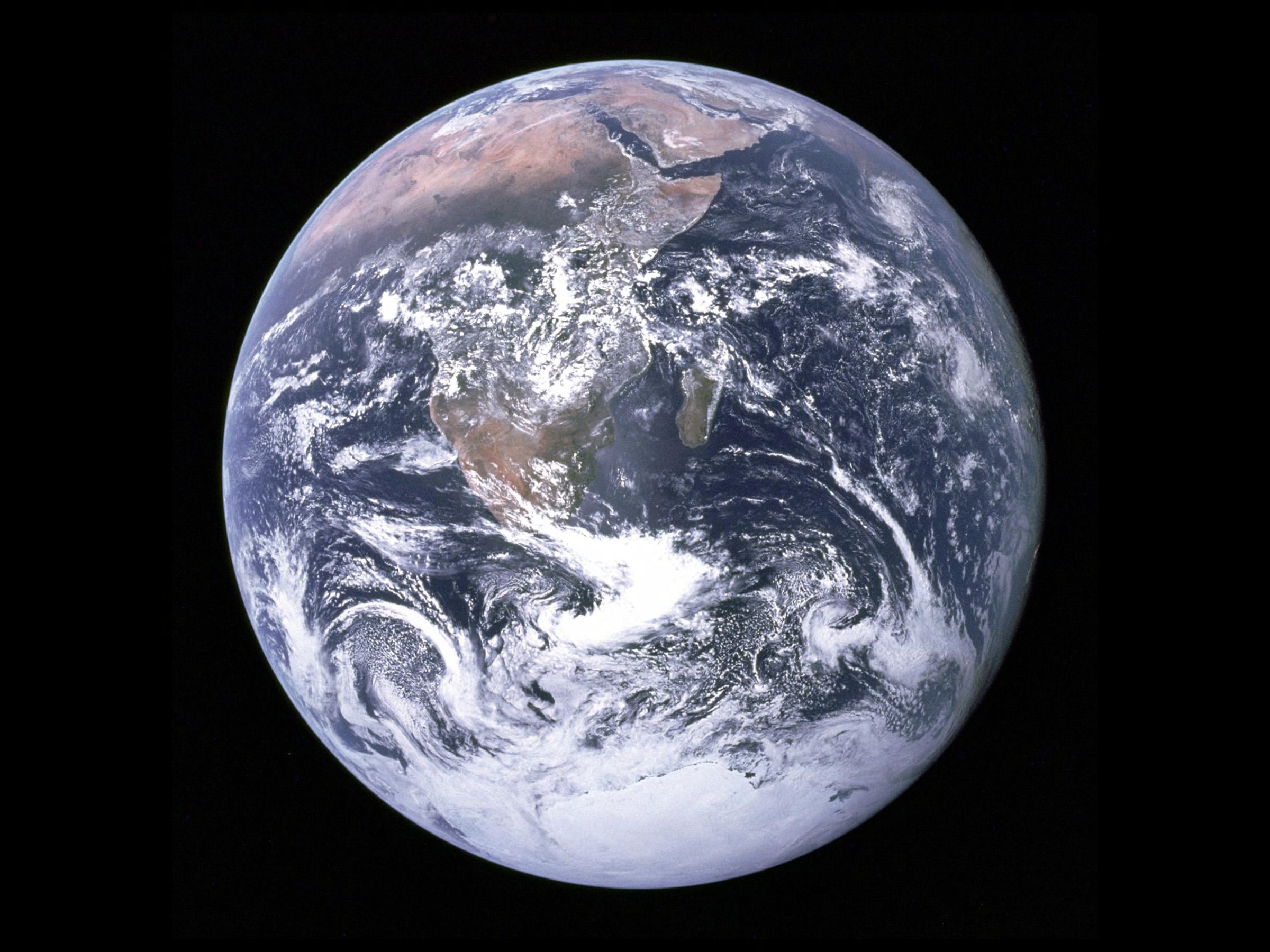
The World. Now.
Introduction
Ever feel like you’re living in a fast-forward movie? Technology evolves at warp speed, social landscapes shift daily, and global events seem to cascade one after another. It’s exhilarating, yes, but also… a little overwhelming. We’re all navigating this complex reality together, trying to make sense of it all and figure out how to thrive, not just survive.
This isn’t your doom-and-gloom headline roundup. We’re not here to scare you senseless. Instead, let’s break down one of the biggest challenges we face now – and that’s environmental sustainability. Why? Because it touches everything: our health, our economies, and the very future we’re building for generations to come.
Explanation of the Problem
You might be thinking, “Sustainability? I hear that word all the time. What’s so urgent now?” Well, the truth is, the urgency isn’t new. Scientists have been warning us for decades. But here’s the kicker: the future they warned us about? It’s here. It’s now. Extreme weather events are becoming more frequent and intense. Sea levels are rising. Biodiversity is plummeting. The consequences of inaction are no longer theoretical; they’re tangible and impacting communities worldwide.
The Short-Term Sting
Let’s not beat around the bush. The immediate impacts of unsustainable practices are already hitting us where it hurts:
- Our wallets: Rising food prices due to unpredictable harvests, increased energy costs fueled by resource scarcity, and insurance premiums skyrocketing in areas prone to extreme weather – these are all direct financial consequences of environmental degradation. Think about the recent droughts impacting agriculture, pushing up the cost of your favorite produce.
- Our health: Air pollution is a major contributor to respiratory illnesses and heart problems. Water contamination threatens our access to clean drinking water. Climate change is expanding the range of disease-carrying vectors like mosquitoes, increasing the risk of infectious diseases.
- Social unrest: Resource scarcity can exacerbate existing inequalities and fuel conflict. Imagine communities competing for dwindling water supplies or displacement caused by rising sea levels leading to social instability.
The Long Game: What’s at Stake?
But the short-term impacts are just the tip of the iceberg. The long-term consequences are even more profound:
- Ecological collapse: Loss of biodiversity, deforestation, and ocean acidification threaten the delicate balance of ecosystems, disrupting essential services like pollination, water purification, and climate regulation. This is like pulling threads from a tapestry – eventually, the whole thing unravels.
- Economic instability: A world ravaged by climate change will face massive disruptions to global trade, agricultural production, and infrastructure. Imagine entire coastal cities becoming uninhabitable, leading to mass migration and economic chaos.
- Existential threats: In the most extreme scenarios, unchecked climate change could render large parts of the planet uninhabitable, posing a direct threat to human survival.
Okay, heavy stuff, right? But don’t despair! We’re not doomed. The good news is that awareness is growing, and innovative solutions are emerging every day. The key is to move beyond feeling overwhelmed and start taking concrete action.
Solutions
So, what can we do? Here are a few practical, actionable steps you can take to make a difference, both individually and collectively:
- Rethink Your Consumption Habits:
- Reduce, Reuse, Recycle: This isn’t just a catchy slogan; it’s a fundamental principle of sustainability. Before buying something new, ask yourself if you really need it. Consider buying used, borrowing, or renting instead. And when you’re done with something, recycle it properly or find creative ways to repurpose it.
- Sustainable Food Choices: Reduce your meat consumption, especially beef, which has a high environmental footprint. Choose locally sourced and seasonal produce. Reduce food waste by planning your meals, storing food properly, and composting scraps.
- Example: Consider joining a local Community Supported Agriculture (CSA) program. You’ll get fresh, seasonal produce directly from a local farmer, supporting sustainable agriculture and reducing your carbon footprint.
- Energy Efficiency: Switch to energy-efficient appliances and light bulbs. Unplug electronics when you’re not using them. Invest in renewable energy sources like solar panels if feasible.
- Advocate for Change:
- Vote with Your Wallet: Support businesses that prioritize sustainability and ethical practices. Look for certifications like Fair Trade, B Corp, and organic.
- Engage with Your Community: Join local environmental organizations, attend town hall meetings, and contact your elected officials to advocate for policies that promote sustainability.
- Spread the Word: Talk to your friends, family, and colleagues about the importance of sustainability. Share information on social media and participate in online discussions.
- Embrace Innovation:
- Support Green Technologies: Invest in companies and technologies that are developing sustainable solutions, such as renewable energy, electric vehicles, and carbon capture.
- Stay Informed: Keep up-to-date on the latest scientific research and technological advancements related to sustainability.
- Be Open to New Ideas: Embrace innovative solutions and be willing to try new approaches to reduce your environmental impact.
Alternative Approaches: Tailoring Solutions to Your Circumstances
Not every solution works for everyone. That’s why it’s important to find approaches that fit your individual circumstances and values. Here are a few alternative strategies to consider:
- The Minimalist Lifestyle: Focus on simplifying your life and owning fewer possessions. This can significantly reduce your consumption and environmental impact.
- The Circular Economy: Support businesses that are designing products for durability, repairability, and recyclability. This helps to minimize waste and keep resources in circulation.
- The Permaculture Approach: Design your living space to mimic natural ecosystems, creating a self-sustaining and resilient environment.
Case Study: Patagonia – Walking the Talk
Patagonia, the outdoor clothing company, is a prime example of a business that prioritizes sustainability. They use recycled materials in their products, promote fair labor practices, and donate a portion of their profits to environmental conservation. They even encourage customers to repair their clothing instead of buying new items, demonstrating a commitment to reducing waste and promoting a circular economy. Patagonia proves that sustainability can be a successful business model.
Conclusion
The challenges we face are significant, but so is our potential. We have the knowledge, the technology, and the resources to create a more sustainable future. What we need now is the collective will to act.
Don’t let the scale of the problem paralyze you. Every action, no matter how small, contributes to a larger movement. Choose one or two steps from the solutions outlined above and start today. Talk to your friends, family, and colleagues about the importance of sustainability. Advocate for change in your community.
The world is changing. But so are we. By embracing sustainable practices, advocating for change, and supporting innovation, we can create a brighter future for ourselves and generations to come. The time to act is now. Let’s build a world where prosperity and sustainability go hand in hand. A world where the planet thrives, and so do we.
This isn’t just about saving the environment; it’s about saving ourselves. It’s about building a more just, equitable, and resilient world for everyone. And that’s a future worth fighting for.