

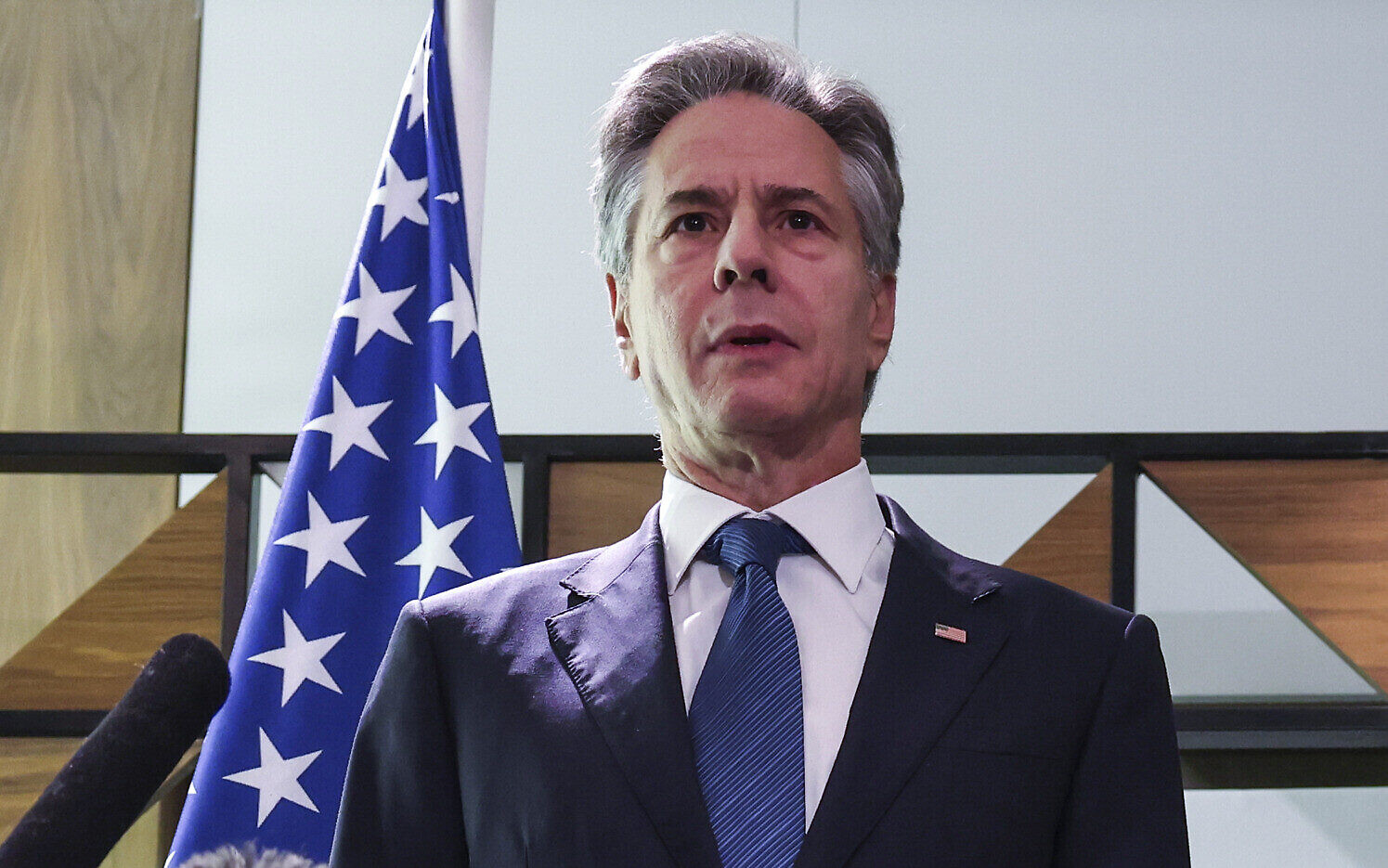
Blinken Announces Israel Has Agreed to US Proposal Amid Ongoing Middle East Tensions
U.S. Secretary of State Antony Blinken announced that Israel has agreed to a U.S. proposal aimed at addressing the escalating tensions in the Middle East. The announcement marks a significant step in ongoing diplomatic efforts to stabilize the region, which has been embroiled in conflict for decades, and reflects the Biden administration’s renewed focus on strengthening its role in international peace efforts.
Background
The Middle East has long been a focal point of global diplomatic efforts, with Israel at the heart of many of the region’s most persistent conflicts. Recently, rising tensions between Israel and its neighboring Palestinian territories have resulted in renewed outbreaks of violence, drawing international concern. The latest escalation has seen rocket fire, airstrikes, and civilian casualties, prompting calls from world leaders for a ceasefire and diplomatic resolution.
The U.S. Proposal
Although details of the U.S. proposal have not been fully disclosed, it is believed to involve a multi-faceted approach to de-escalate the conflict between Israel and Palestinian factions. The proposal likely includes measures to halt ongoing violence, provide humanitarian aid to affected areas, and pave the way for renewed peace talks between the two sides.
The U.S. proposal may also include guarantees for Israel’s security, a key concern for the Israeli government, while also addressing Palestinian calls for sovereignty, freedom of movement, and economic development in the Gaza Strip and West Bank. The U.S. has historically played a mediating role in the region, often trying to balance the security concerns of Israel with the humanitarian and political aspirations of the Palestinians.
Israel’s Agreement
Secretary Blinken confirmed that Israel has accepted the U.S. proposal, signaling its willingness to engage in diplomatic efforts brokered by Washington. Blinken praised Israel’s decision as a step toward de-escalation and reiterated the Biden administration’s commitment to peace in the region. He emphasized that the U.S. will continue working with all parties involved to ensure that any agreements reached are implemented effectively on the ground.
“Israel has shown its commitment to finding a peaceful resolution to this conflict,” Blinken said in a statement. “We believe this agreement is a critical step toward de-escalating violence and restoring hope for a more stable and secure future for all people in the region.”
Challenges Ahead
While Israel’s agreement to the U.S. proposal is a significant diplomatic achievement, many challenges remain. The situation on the ground remains volatile, with both sides harboring deep-seated grievances that have fueled decades of conflict. Palestinian groups, including Hamas, have yet to formally agree to the terms of the proposal, and there are concerns that extremist factions on both sides may seek to undermine any diplomatic progress.
Additionally, regional dynamics, including the influence of neighboring countries like Egypt, Jordan, and Iran, complicate efforts to broker lasting peace. Blinken acknowledged these challenges, stressing that while the proposal is a crucial step forward, sustained diplomatic engagement will be necessary to ensure the peace process moves forward.
International Response
The international community has welcomed news of Israel’s agreement to the U.S. proposal. Several European nations, along with key Middle Eastern players, expressed cautious optimism that this development could lead to a temporary ceasefire and eventually to a more permanent resolution to the Israeli-Palestinian conflict.
The United Nations has also voiced its support for the U.S.-led efforts, with Secretary-General António Guterres calling for all parties to work toward ending the cycle of violence and prioritizing the safety of civilians.
Looking Forward
The coming days and weeks will be critical in determining whether this U.S.-backed proposal can help reduce tensions and create a foundation for peace talks. With the situation still fragile, Blinken emphasized the importance of continued engagement by all parties and urged the international community to support efforts to bring stability to the region.
As the U.S. plays a central role in the mediation process, the Biden administration’s approach to the Middle East will likely face scrutiny from both domestic and international observers. However, if successful, the agreement could represent a pivotal moment in efforts to resolve one of the world’s longest-running and most intractable conflicts.
The acceptance of the U.S. proposal by Israel is a hopeful sign amid the turmoil, and Blinken’s announcement signals that diplomacy still has a vital role to play in shaping the future of the Middle East.