

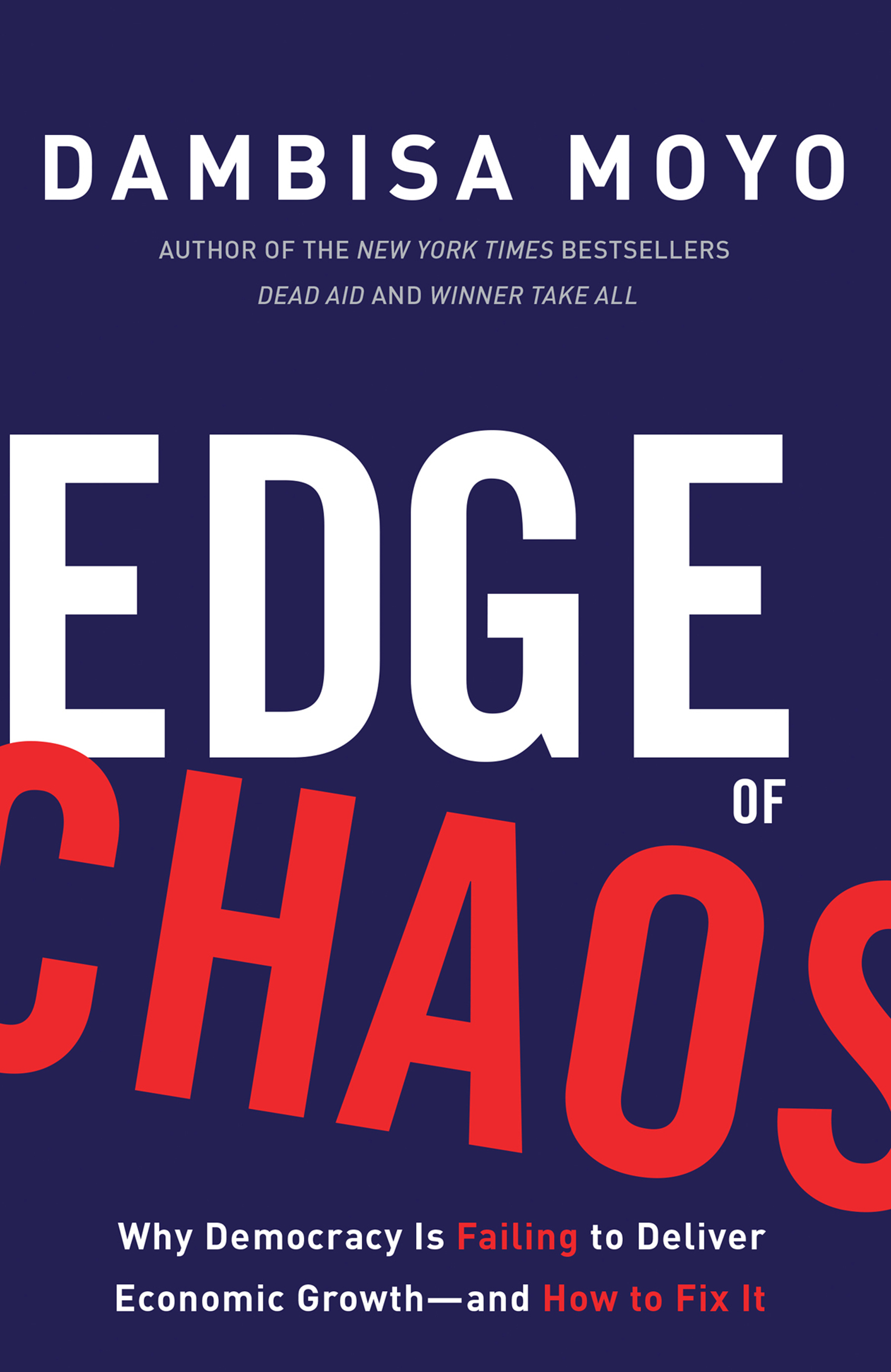
CHAOS CONTINUES: WORLD ON EDGE
Introduction
Ever feel like you’re watching a thriller movie where the stakes are impossibly high, and the plot twists just keep coming? That’s pretty much the state of the world right now. From geopolitical tensions to economic uncertainties and climate change impacts, it feels like we’re constantly navigating a minefield. This isn’t just background noise; it’s a pervasive sense of instability that’s impacting everything from our grocery bills to our long-term career plans.
So, what exactly is going on, and more importantly, what can we do about it? Let’s break down the key challenges and explore some practical ways to navigate this era of persistent chaos.
The Perfect Storm: A Cascade of Challenges
We’re not facing a single crisis; instead, it’s a confluence of factors all hitting us at once. Think of it like a system failure where one problem triggers a domino effect, amplifying the impact of each individual issue.
- Geopolitical Instability: From ongoing conflicts to shifting alliances, the global political landscape is in constant flux. The ripple effects of these power struggles impact trade, security, and international cooperation. Consider the conflict in Ukraine, which has not only caused immense human suffering but also disrupted global energy and food supplies, sending shockwaves through economies worldwide.
- Economic Uncertainty: Inflation, rising interest rates, and fears of recession are weighing heavily on individuals and businesses alike. Supply chain disruptions, exacerbated by both geopolitical events and climate-related disasters, continue to drive up costs and create instability in markets. We’re seeing companies scale back hiring, and consumers are tightening their belts, creating a self-reinforcing cycle of economic anxiety.
- Climate Change: The escalating impacts of climate change – from extreme weather events to rising sea levels – are no longer a distant threat; they’re a present-day reality. These disasters not only cause immediate devastation but also displace populations, disrupt agriculture, and strain resources, further compounding existing problems. Look at the increased frequency and intensity of wildfires in recent years, which have cost billions in damages and caused widespread environmental damage.
These challenges are interconnected, creating a feedback loop of instability. For instance, climate change can exacerbate resource scarcity, leading to political tensions and conflicts. Economic downturns can hinder investments in climate mitigation and adaptation measures, further compounding the problem.
Short-Term Pain, Long-Term Implications
The immediate impacts of this chaos are already being felt across the globe. Consumers are grappling with higher prices for essential goods and services. Businesses are struggling with increased costs and uncertain demand. Governments are facing pressure to address these challenges while managing growing debt burdens.
But the long-term implications are even more concerning. Persistent instability can erode social cohesion, undermine trust in institutions, and lead to increased polarization. It can also hinder long-term investments in education, infrastructure, and innovation, which are essential for sustainable growth and development.
Navigating the Storm: Practical Solutions
While the challenges are significant, they are not insurmountable. By adopting a proactive and adaptable approach, individuals, businesses, and governments can navigate this era of persistent chaos and build a more resilient future. Here are some practical solutions to consider:
- Diversification is Key:
- Individuals: Diversify your income streams by exploring freelance opportunities, side hustles, or passive income investments. This can provide a buffer against job losses or economic downturns. Diversify your skill set by learning new technologies or acquiring in-demand skills. This will make you more adaptable and employable in a rapidly changing job market.
- Businesses: Diversify your supply chains to reduce reliance on single suppliers or regions. Explore alternative sourcing options and build relationships with multiple vendors. Diversify your product or service offerings to cater to a wider range of customer needs. This will make your business more resilient to market fluctuations.
Case Study: During the COVID-19 pandemic, many small businesses that relied solely on in-person sales were forced to close. However, those that had diversified their sales channels by offering online ordering and delivery services were able to weather the storm more effectively.
- Embrace Resilience:
- Individuals: Build a strong support network of family, friends, and colleagues. This can provide emotional support and practical assistance during challenging times. Develop coping mechanisms for stress and anxiety, such as mindfulness meditation, exercise, or spending time in nature. Focus on building your mental and emotional resilience.
- Businesses: Invest in risk management strategies to identify and mitigate potential threats to your operations. Develop contingency plans for various scenarios, such as supply chain disruptions, natural disasters, or economic downturns. Foster a culture of adaptability and innovation within your organization.
Example: Companies that had robust cybersecurity measures in place were better equipped to handle the surge in cyberattacks that occurred during the pandemic.
- Invest in Sustainable Practices:
- Individuals: Reduce your carbon footprint by adopting more sustainable lifestyle choices, such as using public transportation, conserving energy, and reducing waste. Support businesses and organizations that are committed to sustainability.
- Businesses: Implement sustainable business practices to reduce your environmental impact and improve your bottom line. Invest in renewable energy sources, reduce waste, and optimize your supply chain.
Case Study: Patagonia, a clothing company known for its commitment to sustainability, has demonstrated that businesses can be both environmentally responsible and profitable.
- Engage in Civic Action:
- Individuals: Stay informed about current events and policy issues. Participate in civic engagement by voting, contacting your elected officials, and advocating for policies that align with your values. Support organizations that are working to address the challenges facing our world.
- Businesses: Advocate for policies that promote sustainable development, economic stability, and social justice. Engage in corporate social responsibility initiatives to support your local communities.
Alternative Approaches and Flexibility:
The beauty of navigating chaos lies in the ability to adapt and adjust your strategies as needed. What works in one situation may not work in another. The key is to remain flexible and open to new ideas.
- Explore different investment strategies: Don’t put all your eggs in one basket. Consider diversifying your investments across different asset classes, such as stocks, bonds, real estate, and commodities.
- Consider alternative career paths: The traditional 9-to-5 job is no longer the only option. Explore freelance work, remote positions, or entrepreneurship.
- Embrace lifelong learning: The world is constantly changing, so it’s important to stay up-to-date on the latest trends and technologies. Take online courses, attend workshops, or read books to expand your knowledge and skills.
Conclusion: A Call to Action
Yes, the world is on edge, and the chaos feels relentless. But we are not powerless. By understanding the challenges, embracing practical solutions, and remaining adaptable, we can navigate this era of uncertainty and build a more resilient future.
It’s time to move beyond despair and embrace a proactive mindset. Start by taking small steps in your own life, and then work to create positive change in your community and the world. Remember, even small actions can have a big impact when they are multiplied across millions of people.
Let’s not be defined by the chaos, but by our response to it. Let’s choose optimism, resilience, and collaboration. The future is not predetermined; it is shaped by the choices we make today. Let’s make those choices wisely. The world needs our collective effort now more than ever. Embrace the challenge, and let’s build a better tomorrow, together.