

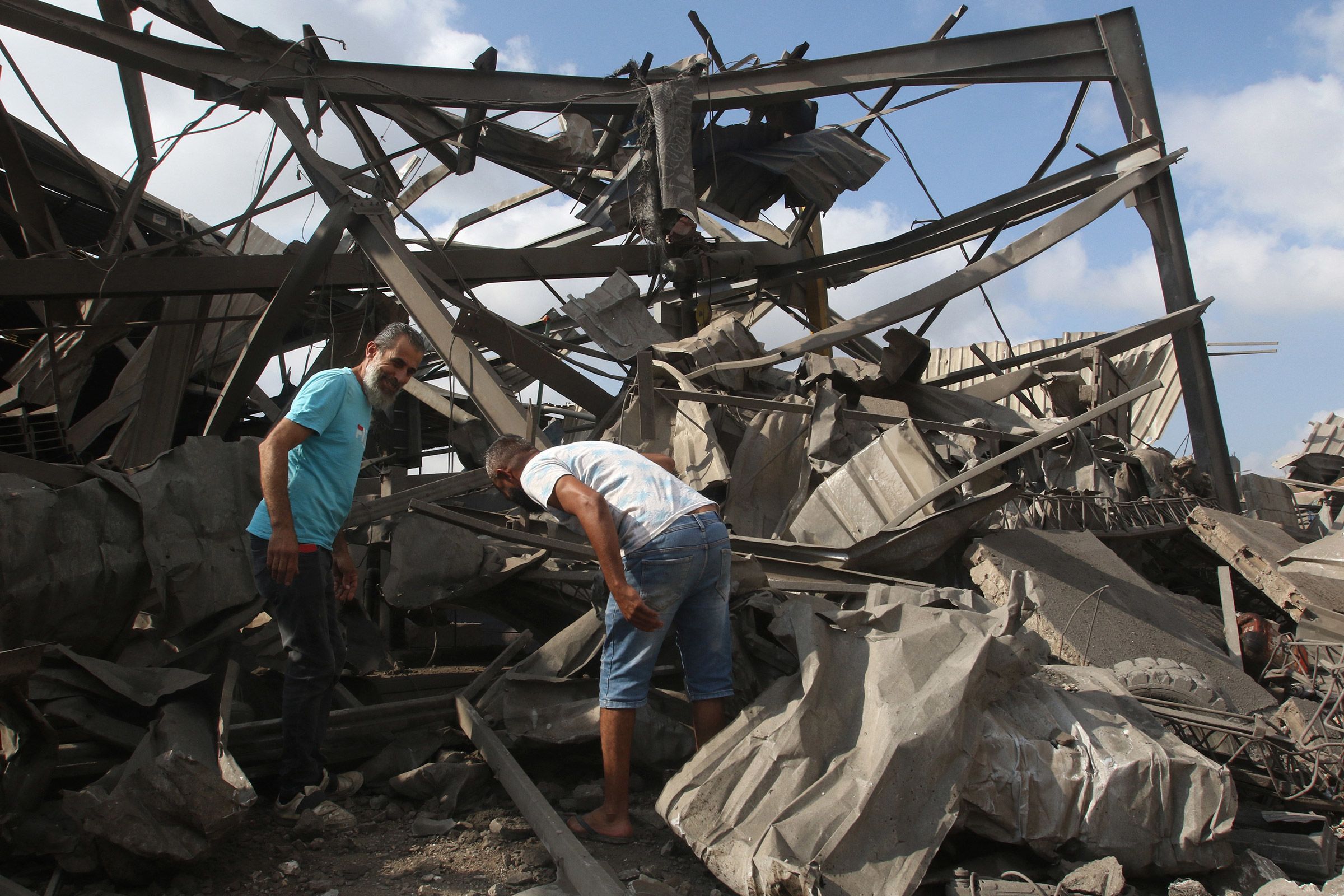
Israeli Strike Kills 10 in Southern Lebanon Amid Escalating Tensions
In a dramatic escalation of hostilities, an Israeli airstrike in southern Lebanon has reportedly killed at least 10 people, intensifying an already volatile situation in the region. The strike comes as tensions between Israel and militant groups in Lebanon, particularly Hezbollah, continue to rise, raising concerns about the potential for a wider conflict.
The Incident
The Israeli strike, which targeted an area in southern Lebanon near the town of Tyre, occurred in the early hours of the morning. Lebanese officials reported that the attack killed 10 people, though the identities of the victims remain unclear. Local reports suggest that the area hit by the strike may have been home to militant factions or infrastructure used by Hezbollah, the powerful Shiite militant and political organization that wields significant influence in Lebanon.
The Israeli Defense Forces (IDF) have not commented directly on the incident but have previously stated that they are targeting sites linked to Hezbollah in response to cross-border rocket fire into northern Israel. In recent days, the border region between Israel and Lebanon has seen an uptick in hostilities, with rockets being fired from Lebanese territory and retaliatory strikes being carried out by Israel.
Rising Tensions Between Israel and Hezbollah
This latest strike is part of a broader pattern of escalating violence between Israel and Hezbollah, a group that has been engaged in intermittent conflicts with Israel since the 1980s. Hezbollah, which is backed by Iran, has a formidable military presence in southern Lebanon and is considered one of Israel’s most significant security threats.
In recent weeks, there has been an increase in cross-border attacks between Hezbollah and Israeli forces. Hezbollah has launched several rocket attacks from Lebanon into northern Israel, prompting retaliatory airstrikes from the IDF. Both sides have exchanged threats of further escalation, heightening fears that the situation could spiral into a full-blown conflict reminiscent of the 2006 Lebanon War, which left more than 1,000 Lebanese civilians dead and devastated parts of Lebanon’s infrastructure.
Regional Implications
The strike in southern Lebanon has alarmed regional and international observers who fear that continued violence could destabilize not only Lebanon but the broader Middle East. Lebanon is already facing a severe economic crisis, political paralysis, and the aftermath of the devastating 2020 Beirut port explosion. An escalation of conflict with Israel could push the country further into chaos.
Furthermore, the ongoing hostilities could also draw in other regional players, particularly Iran, which has a close alliance with Hezbollah and has used the group as a proxy in its broader struggle for influence in the region. Israel, meanwhile, views Iran’s support of Hezbollah as a major security threat and has repeatedly conducted airstrikes in Syria to prevent Iranian arms shipments to Hezbollah.
International Response
The international community has expressed deep concern over the rising violence between Israel and Hezbollah. The United Nations has called for restraint from both sides and urged a de-escalation of the situation. UNIFIL, the United Nations peacekeeping force stationed along the Israel-Lebanon border, has also stepped up patrols in an effort to prevent further clashes.
The U.S. and European countries have similarly called for both Israel and Hezbollah to avoid actions that could lead to war. While the U.S. maintains strong support for Israel’s right to defend itself against militant attacks, it has also urged Israel to avoid actions that could trigger a broader conflict in the region.
The Path Forward
The situation in southern Lebanon remains fragile, and the possibility of further violence looms large. The loss of civilian life in the latest airstrike highlights the dangers of the escalating conflict, which risks drawing Lebanon and Israel into another protracted war.
As diplomatic efforts continue to urge restraint, it remains uncertain whether the situation will de-escalate or further deteriorate. The ongoing violence underscores the deep-rooted tensions in the region and the challenges of achieving lasting peace between Israel and its northern neighbors. For now, southern Lebanon remains on edge, with civilians bearing the brunt of the conflict’s devastating toll.