

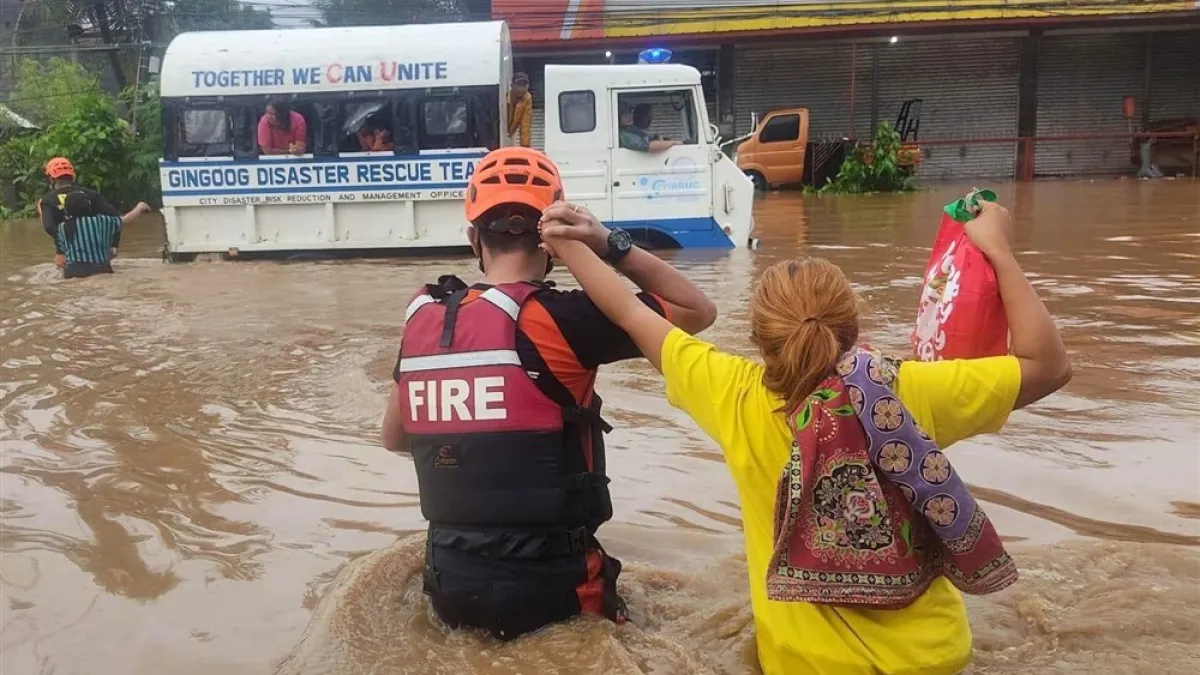
The Impact of Big Floods in the Philippines: A Comprehensive Analysis
The Philippines, an archipelago of over 7,000 islands, is particularly vulnerable to natural disasters, including typhoons, earthquakes, and floods. Big floods have repeatedly caused significant devastation in the country, affecting millions of lives, damaging infrastructure, and disrupting the economy. This article explores the multifaceted impact of major floods in the Philippines and the measures needed to mitigate their effects.
Causes of Flooding in the Philippines
- Geographic and Climatic Factors
- The Philippines’ location in the Pacific Ring of Fire and the typhoon belt makes it highly susceptible to heavy rainfall and storms. The country’s mountainous terrain and numerous river systems exacerbate the flooding risk, especially during the monsoon season.
- Deforestation and Land Use
- Rapid urbanization, deforestation, and improper land use contribute to increased runoff and reduced absorption of rainwater, leading to higher flood risks. Loss of vegetation and soil erosion further aggravate the situation.
- Climate Change
- Climate change is intensifying weather patterns, resulting in more frequent and severe storms. Rising sea levels also contribute to higher flood risks, particularly in coastal areas.
Immediate Impact of Big Floods
- Loss of Life and Injuries
- Major floods often lead to significant loss of life and injuries. Flash floods can occur with little warning, trapping people in their homes or vehicles and making rescue operations challenging.
- Displacement of Communities
- Flooding forces thousands of families to evacuate their homes, leading to temporary shelters that can be overcrowded and lacking in basic amenities. Displacement disrupts the lives of individuals, particularly affecting vulnerable groups such as the elderly, children, and those with disabilities.
- Damage to Infrastructure
- Floodwaters cause extensive damage to infrastructure, including roads, bridges, schools, hospitals, and utilities. The destruction of essential services hampers rescue and relief operations and delays recovery efforts.
- Economic Disruption
- Flooding disrupts economic activities, including agriculture, industry, and commerce. Crop destruction, loss of livestock, and damage to manufacturing facilities lead to significant economic losses. Small businesses and informal sector workers are particularly hard hit.
Long-Term Consequences
- Health Risks
- Floods create a breeding ground jawabet88 for waterborne diseases such as cholera, dengue fever, and leptospirosis. Contaminated water supplies and inadequate sanitation in temporary shelters exacerbate health risks. Mental health issues also arise due to the trauma and stress associated with flooding.
- Education Interruptions
- Damage to schools and displacement of families disrupts children’s education. Prolonged interruptions can have lasting impacts on students’ academic progress and future opportunities.
- Environmental Degradation
- Flooding can lead to soil erosion, loss of arable land, and degradation of natural habitats. The environmental damage reduces biodiversity and affects the livelihoods of communities dependent on natural resources.
- Social Inequality
- Disadvantaged communities are disproportionately affected by floods due to their lack of resources and access to services. Recovery is often slower for these groups, exacerbating existing social inequalities.
Mitigation and Adaptation Measures
- Improved Infrastructure and Urban Planning
- Investing in flood-resistant infrastructure, such as elevated roads and bridges, and constructing effective drainage systems can reduce flood risks. Urban planning should consider flood zones and restrict development in high-risk areas.
- Reforestation and Sustainable Land Management
- Reforestation projects and sustainable land management practices help reduce runoff and increase water absorption. Preserving natural vegetation and restoring degraded lands are crucial for flood mitigation.
- Early Warning Systems and Preparedness
- Developing and maintaining early warning systems can save lives by providing timely alerts. Community-based disaster preparedness programs educate residents on evacuation plans and safety measures.
- Climate Change Adaptation
- Implementing climate change adaptation strategies, such as building sea walls, creating buffer zones, and promoting sustainable agricultural practices, can help communities better cope with changing weather patterns.
- International Cooperation and Aid
- International support in the form of financial aid, technical assistance, and knowledge sharing is vital for disaster-stricken areas. Collaborative efforts can enhance the capacity of local governments and communities to respond to and recover from floods.
Big floods in the Philippines have far-reaching impacts, affecting lives, livelihoods, and the environment. Addressing the root causes of flooding and implementing comprehensive mitigation and adaptation measures are essential for reducing the vulnerability of communities. By combining improved infrastructure, sustainable practices, and community resilience, the Philippines can better prepare for and respond to the challenges posed by severe flooding events.