

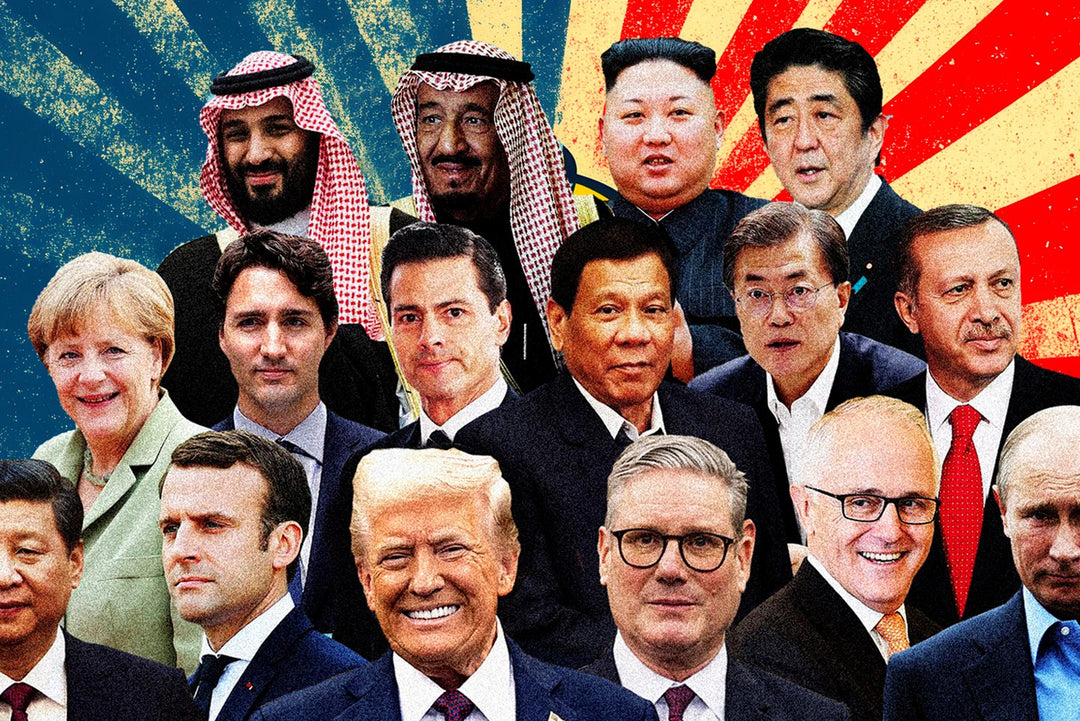
The World Today: Unfiltered.
Introduction
Ever feel like you’re drowning in information? Headlines screaming from every corner, notifications pinging incessantly, and a general sense that the world is changing faster than you can keep up? You’re not alone. We’re living in an era of unprecedented access to information, but that doesn’t necessarily mean we understand what’s truly going on, or more importantly, what it all *means*.
This isn’t another doom-and-gloom piece about everything that’s wrong. Instead, let’s take a deep breath and try to unpack some of the most pressing challenges we face today – unfiltered – and explore practical solutions that empower us to navigate this complex landscape. We’ll look at both the immediate ripples and the potential long-term tsunamis, offering actionable steps you can take, regardless of your background or resources.
Explanation of the Problem
One of the most pervasive issues shaping our world is, undeniably, the climate crisis. We’ve all seen the images: melting glaciers, devastating wildfires, increasingly frequent and intense storms. The short-term impact is brutally clear – displacement, economic disruption, and tragic loss of life. But the long-term implications are even more daunting: potential sea-level rise that could submerge coastal cities, widespread food shortages due to disrupted agricultural patterns, and mass migrations that could destabilize entire regions.
So, what can be done? The scale of the problem can feel overwhelming, leading to a sense of helplessness. But the truth is, meaningful change can come from a multitude of actions, both big and small.
Solutions
Here’s the key: Think globally, act locally. We need both personal responsibility and systemic change.
- Reduce Your Carbon Footprint:This might seem obvious, but the details matter. Instead of just vaguely resolving to “be greener,” try tracking your carbon footprint using online calculators. This helps you identify the areas where you have the biggest impact. Then, focus on targeted changes. For example, instead of feeling guilty about occasional air travel, prioritize reducing your energy consumption at home. Consider switching to renewable energy sources if available, improving insulation, and using energy-efficient appliances. Even small changes, like shortening your showers and unplugging electronics when not in use, add up over time.
- Example:The city of Copenhagen, Denmark, aims to be carbon neutral by 2025. They’re achieving this through a combination of wind power, district heating, and promoting cycling and public transportation. Individuals are also encouraged to adopt sustainable practices through various incentives and educational programs.
- Advocate for Policy Change:Individual action is important, but systemic change requires political will. Contact your elected officials and let them know you support policies that address climate change, such as carbon taxes, investments in renewable energy, and stricter regulations on pollution. Support organizations that are working to advance climate action at the local, national, and international levels.
- Example:The European Union’s Green Deal is a comprehensive plan to make Europe climate neutral by 2050. It involves investments in clean energy, sustainable transport, and circular economy practices, as well as policies to protect biodiversity and reduce pollution.
- Invest in Sustainable Businesses:Support companies that are committed to environmental sustainability. Look for businesses with transparent supply chains, ethical labor practices, and a commitment to reducing their environmental impact. Consider investing in renewable energy projects or companies that are developing innovative solutions to climate change.
- Example:Patagonia, an outdoor clothing and gear company, is known for its commitment to environmental activism and sustainable business practices. They use recycled materials, invest in renewable energy, and donate a portion of their profits to environmental causes.
- Embrace a Circular Economy:Shift away from a linear “take-make-dispose” model and embrace a circular economy that emphasizes reuse, repair, and recycling. Support businesses that are designing products for durability and repairability, and look for opportunities to extend the life of your own belongings.
- Example:Terracycle is a company that partners with brands to collect and recycle hard-to-recycle waste, such as packaging, beauty products, and coffee capsules. They offer recycling programs for individuals, businesses, and communities.
Another crucial challenge is the widening gap between the haves and have-nots. Economic inequality isn’t just a matter of fairness; it’s a threat to social stability and economic growth. In the short term, it leads to increased poverty, crime, and social unrest. In the long term, it can erode trust in institutions, undermine democracy, and create a breeding ground for extremism.
Practical Solutions: Bridging the Divide
Here are some steps we can take to address economic inequality:
- Support Fair Wages and Labor Practices:Advocate for policies that ensure workers are paid a living wage and have access to decent working conditions. Support businesses that treat their employees fairly and provide opportunities for advancement. Consider joining or supporting labor unions, which play a vital role in protecting workers’ rights and promoting fair wages.
- Example:The city of Seattle, Washington, was one of the first major cities in the United States to implement a $15 minimum wage. Studies have shown that this policy has led to increased wages for low-wage workers without significantly impacting employment.
- Invest in Education and Skills Training:Education is one of the most powerful tools for breaking the cycle of poverty and inequality. Support programs that provide access to quality education for all, regardless of their background or income. Invest in skills training programs that equip individuals with the knowledge and abilities they need to succeed in the modern economy.
- Example:The Khan Academy is a nonprofit organization that provides free online educational resources for learners of all ages. Their platform covers a wide range of subjects, from math and science to history and art, and is used by millions of people around the world.
- Promote Financial Literacy:Many people lack the knowledge and skills they need to manage their finances effectively. Support programs that teach financial literacy, such as budgeting, saving, investing, and debt management. Empower individuals to make informed financial decisions and build a secure financial future.
- Example:Operation HOPE is a nonprofit organization that provides financial literacy education and counseling to low- and moderate-income individuals and families. They offer programs on topics such as credit repair, homeownership, and small business development.
- Advocate for Progressive Taxation:Progressive taxation, where higher earners pay a larger percentage of their income in taxes, can help to redistribute wealth and fund essential social programs. Advocate for tax policies that are fair and equitable, and that provide adequate resources for public services such as education, healthcare, and infrastructure.
- Example:The Nordic countries, such as Denmark, Sweden, and Norway, have some of the highest levels of social equality in the world. This is partly due to their progressive tax systems, which fund generous social welfare programs.
These are just two of the many complex challenges we face today. Others include the spread of misinformation, the rise of artificial intelligence, and the erosion of trust in institutions. But the key takeaway is this: we are not powerless. We have the ability to shape our future, but it requires us to be informed, engaged, and proactive.
Conclusion
The world today can feel overwhelming, but it’s also full of opportunities. By embracing a spirit of curiosity, critical thinking, and collaboration, we can navigate the challenges we face and create a more just, sustainable, and equitable world.
Don’t let the scale of the problems paralyze you. Start small, focus on what you can control, and connect with others who share your values. Every action, no matter how small, contributes to a larger movement for change.
Remember, the future is not something that happens to us; it’s something we create. Let’s choose to create a future that is worthy of our children and grandchildren. Let’s choose to build a world where everyone has the opportunity to thrive. The journey may be long and challenging, but the destination is worth fighting for.