

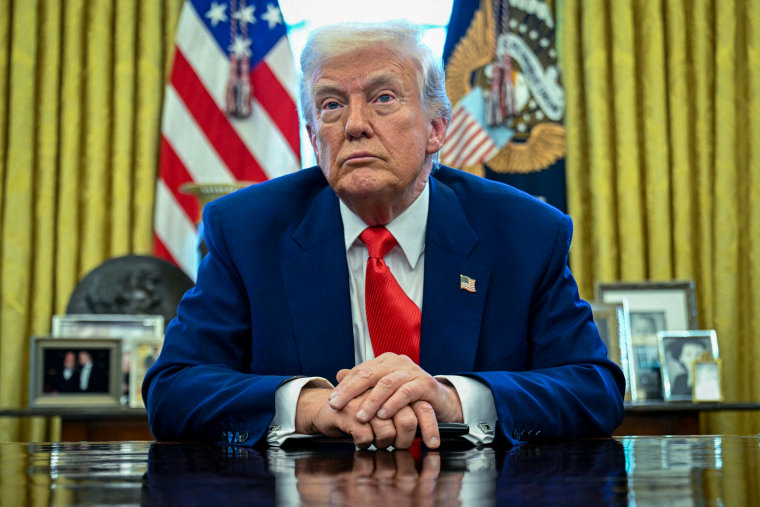
Trump’s Endgame: Chaos or Comeback?
Introduction
Donald Trump. The name alone conjures images of rallies, tweets, and a political landscape perpetually in motion. Whether you love him or loathe him, there’s no denying his impact on American politics. Now, with legal battles mounting and the 2024 election looming large, the question on everyone’s mind is: what’s Trump’s endgame? Is it a final descent into chaos, or a carefully orchestrated comeback bid?
This isn’t just about one man’s ambition; it’s about the future of the Republican party, the stability of American democracy, and the international perception of the United States. So, buckle up, because we’re diving deep into the potential scenarios, the short-term tremors, the long-term aftershocks, and, most importantly, what can be done to navigate this turbulent political terrain.
The Present Storm: A Perfect Brew of Turmoil
Currently, Trump faces a whirlwind of legal challenges. From investigations into his business practices to inquiries surrounding the January 6th Capitol riot and the handling of classified documents, the legal heat is intense. These investigations are already shaping public opinion, with polls showing a divided electorate, some staunchly supporting Trump, while others believe he should be held accountable.
Short-Term Impacts: The Daily News Cycle on Steroids
The immediate consequences of these legal battles are already playing out in the daily news cycle. Every indictment, every court hearing, every leaked document fuels the fire of political polarization. We’re seeing:
- Increased Political Polarization: The “us vs. them” mentality deepens, making reasoned debate and compromise increasingly difficult.
- Erosion of Trust in Institutions: The legitimacy of the justice system, the media, and even the electoral process is being questioned by various factions, leading to a dangerous decline in public trust.
- Republican Party Division: Trump’s influence continues to divide the Republican party. Some remain fiercely loyal, while others seek a path forward free from his shadow. This internal conflict weakens the party’s ability to present a unified front.
- Fundraising Frenzy: Legal battles are expensive. Trump’s fundraising prowess remains considerable, but diverting funds to legal defense limits resources for campaigning and supporting other candidates.
Long-Term Impacts: A Shifting Political Landscape
The long-term effects of Trump’s current situation could be even more profound, reshaping the very fabric of American politics:
- Normalization of Extremism: If Trump successfully navigates these challenges without significant consequences, it could embolden other politicians to push the boundaries of acceptable behavior, leading to a further erosion of democratic norms.
- Weakening of Democratic Institutions: Continuous attacks on the electoral process and the justice system could undermine their legitimacy, making them more vulnerable to manipulation and abuse.
- Increased Social Unrest: Deepening political divisions and a lack of faith in institutions could lead to increased social unrest and even violence.
- Damage to America’s International Standing: The world is watching. Political instability and perceived democratic backsliding could damage America’s credibility and influence on the global stage.
- Reshaping the Republican Party: Depending on Trump’s success (or lack thereof), the Republican party could either double down on his brand of populism or embark on a period of soul-searching and reinvention.
Navigating the Storm: Practical Solutions for a Polarized Nation
So, what can be done to mitigate these risks and steer towards a more stable and united future? Here are several practical approaches:
1. Strengthening Democratic Institutions:
- Campaign Finance Reform: Limit the influence of money in politics by enacting comprehensive campaign finance reform.
Example: Public financing of elections, coupled with strict limits on individual and corporate contributions. - Protecting Voting Rights: Ensure that every eligible citizen has access to the ballot box by enacting federal legislation that protects voting rights and combats voter suppression.
Example: The John Lewis Voting Rights Advancement Act, which aims to restore key provisions of the Voting Rights Act of 1965. - Independent Judiciary: Safeguard the independence of the judiciary by resisting political pressure and ensuring that judges are appointed based on qualifications, not political affiliation.
2. Fostering Civil Discourse and Critical Thinking:
- Promoting Media Literacy: Equip citizens with the skills to critically evaluate information and identify misinformation and disinformation.
Example: Implementing media literacy education in schools and supporting initiatives that promote fact-checking and responsible journalism. - Encouraging Dialogue Across Differences: Create platforms for respectful dialogue and engagement between people with different viewpoints.
Example: Community forums, online discussion groups, and educational programs that promote understanding and empathy. - Strengthening Civic Education: Revitalize civic education in schools to teach students about the principles of democracy, the importance of civic engagement, and the responsibilities of citizenship.
3. Healing the Political Divide:
- Focusing on Common Ground: Identify areas of agreement and build consensus around shared goals, such as infrastructure development, economic opportunity, and national security.
- Promoting Bipartisan Cooperation: Encourage elected officials to work together across party lines to address pressing challenges facing the nation.
Example: The Infrastructure Investment and Jobs Act, which was passed with bipartisan support and aims to modernize America’s infrastructure. - Reforming the Electoral System: Explore alternative electoral systems, such as ranked-choice voting, that could promote greater representation and reduce political polarization.
Alternative Approaches: Tailoring Solutions to Specific Needs
These solutions aren’t one-size-fits-all. Different communities and individuals may find certain approaches more effective than others. Here are some alternative approaches to consider:
- Local Initiatives: Focus on addressing issues at the local level, where there is often more common ground and greater opportunities for collaboration.
- Grassroots Organizing: Empower citizens to organize and advocate for change at the grassroots level.
- Support for Independent Media: Support independent media outlets that provide diverse perspectives and hold power accountable.
- Personal Responsibility: Take personal responsibility for engaging in civil discourse, seeking out diverse perspectives, and promoting accurate information.
Chaos or Comeback? The Choice is Ours.
Donald Trump’s endgame remains uncertain. Will it be a descent into chaos, further dividing the nation and undermining democratic institutions? Or will it be a remarkable comeback, defying the odds and reshaping the political landscape once again? The answer, ultimately, depends on us.
By strengthening our democratic institutions, fostering civil discourse, and healing the political divide, we can navigate this turbulent period and build a more stable and united future. It won’t be easy, but it is essential. The time to act is now.
Don’t let fear or cynicism paralyze you. Get informed, get involved, and make your voice heard. The future of American democracy is in your hands. Let’s work together to ensure that Trump’s endgame doesn’t become America’s end. Let’s choose a future of unity, progress, and a renewed commitment to the principles of democracy. The power is within us to create the outcome we desire.