

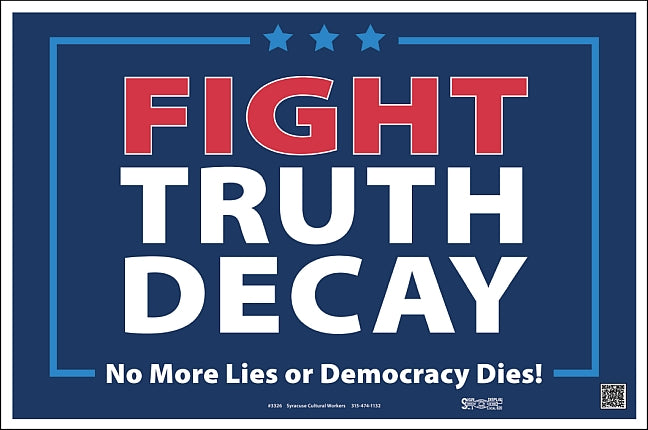
Truth Decay: The Fight for What’s Real
Introduction
Remember the good old days when a fact was… well, a fact? When we could largely agree on a shared reality, built on verifiable information and trusted sources? Yeah, me neither. Because, increasingly, we’re living in a world grappling with what’s been dubbed “Truth Decay.” It’s not just about misinformation; it’s a deeper erosion of our capacity to distinguish fact from fiction, opinion from evidence, and ultimately, what’s real from what’s manufactured.
Truth Decay isn’t just a buzzword; it’s a tangible phenomenon with profound short-term and long-term implications for everything from our personal relationships to the stability of our democracies. So, what exactly is it, why should we care, and more importantly, what can we do about it? Let’s dive in.
Defining the Decay: More Than Just Fake News
Think of Truth Decay as a multi-layered problem. It’s not just about those obviously fabricated stories designed to deceive. It encompasses:
- Increasing disagreement about facts: We’re not just disagreeing about interpretations; we’re disagreeing about the basic building blocks of understanding. Was the crowd at that event big or small? Is climate change real or a hoax? Even seemingly objective realities are becoming contested battlegrounds.
- A blurring of the lines between fact and opinion: We see opinions presented as facts, and conversely, facts dismissed as biased opinions. This muddies the waters, making it harder to discern what’s trustworthy.
- An increasing relative volume and resulting influence of opinion over fact: Opinions, amplified by social media algorithms and echo chambers, often drown out factual information. The loudest voice, regardless of its accuracy, often wins the day.
- Declining trust in formerly respected sources of factual information: From traditional media outlets to scientific institutions, trust is eroding. We’re more likely to believe information from our own social networks, even if it’s unverified, than from established authorities.
The Immediate and Long-Term Fallout
The short-term consequences of Truth Decay are already painfully evident. We see:
- Polarization and social division: When we can’t agree on basic facts, it becomes impossible to have productive conversations or find common ground. This fuels animosity and reinforces existing divides.
- Erosion of informed decision-making: From personal health choices to political voting, our decisions are increasingly based on misinformation and biased viewpoints, leading to suboptimal outcomes.
- Increased susceptibility to manipulation: In a world of fragmented realities, it’s easier for malicious actors to spread propaganda and exploit our biases for their own gain.
But the long-term implications are even more concerning:
- Weakening of democratic institutions: A shared understanding of reality is essential for a functioning democracy. When citizens can’t agree on basic facts, it becomes harder to hold leaders accountable and make informed choices at the ballot box.
- Impeded progress on critical issues: From climate change to public health, addressing complex challenges requires a collective understanding of the facts. Truth Decay makes it harder to build consensus and implement effective solutions.
- Erosion of social cohesion: A society built on distrust and disagreement is a fragile one. Truth Decay threatens to undermine the very fabric of our communities.
Fighting Back: Practical Solutions for a World in Decay
The good news is, we’re not powerless in the face of Truth Decay. We can all take concrete steps to combat its effects and rebuild trust in verifiable information. Here are a few practical approaches:
- Become a Critical Consumer of Information: This is the cornerstone of fighting Truth Decay. We need to actively question the information we encounter, regardless of the source.
- Lateral Reading: Instead of just trusting the website you’re on, open multiple tabs and investigate the source’s credibility. Who owns the website? What are their biases? What do other reliable sources say about them?
- Check for Bias: Be aware of your own biases and how they might influence your interpretation of information. Seek out diverse perspectives and challenge your own assumptions.
- Look for Evidence: Does the information presented cite credible sources? Can you verify the claims made? Be wary of anecdotal evidence or emotionally charged language.
- Example: You see a headline on social media claiming that a particular vaccine is dangerous. Instead of immediately sharing it, open several new tabs. Research the website publishing the headline. Does it have a history of spreading misinformation? Consult reputable sources like the CDC or WHO to see what they say about the vaccine.
- Support Credible Journalism: Investigative journalism plays a vital role in uncovering facts and holding power accountable. But it’s also expensive to produce.
- Subscribe to Reputable News Outlets: Pay for quality journalism. This provides the financial resources needed to support in-depth reporting.
- Donate to Non-Profit News Organizations: Many non-profit organizations are dedicated to fact-checking and investigative reporting. Consider supporting their work.
- Share Credible News Articles: Amplify accurate and informative content to counter the spread of misinformation.
- Case Study: ProPublica, a non-profit investigative journalism organization, has consistently exposed corruption and held powerful individuals accountable. Supporting organizations like ProPublica directly contributes to fighting Truth Decay.
- Promote Media Literacy Education: Equipping individuals with the skills to critically evaluate information is essential for long-term change.
- Advocate for Media Literacy in Schools: Encourage schools to incorporate media literacy into their curriculum.
- Share Media Literacy Resources: Educate your friends and family about how to spot misinformation and critically evaluate sources.
- Participate in Media Literacy Workshops: Take advantage of opportunities to learn more about media literacy and improve your own skills.
- Engage in Constructive Dialogue: While it’s tempting to dismiss those who hold different beliefs, engaging in respectful dialogue can be a powerful way to bridge divides and promote understanding.
- Listen Actively: Focus on understanding the other person’s perspective, even if you disagree with them.
- Ask Open-Ended Questions: Encourage them to explain their reasoning and provide evidence for their claims.
- Find Common Ground: Focus on areas of agreement and build from there.
- Example: Instead of attacking someone for sharing a conspiracy theory online, ask them why they believe it. What evidence do they find compelling? Gently point out any inaccuracies or logical fallacies in their reasoning.
- Support Policies that Combat Disinformation: We need systemic solutions to address the root causes of Truth Decay.
- Advocate for Regulations on Social Media Platforms: Hold social media platforms accountable for the spread of misinformation on their platforms.
- Support Funding for Fact-Checking Organizations: Increase funding for organizations that are dedicated to fact-checking and debunking misinformation.
- Promote Transparency in Online Advertising: Require online advertisers to disclose who is paying for political ads and what their targeting criteria are.
Alternative Approaches:
- Focus on Building Trust in Local Communities: Instead of trying to change the minds of everyone online, focus on building trust in your own community. Attend local events, volunteer, and get to know your neighbors.
- Practice Mindful Consumption of News: Limit your exposure to news and social media. Take breaks to disconnect and recharge.
- Create Your Own Content: If you have a skill or passion, share your knowledge online in a responsible and accurate way. This can help counter the spread of misinformation.
Reclaiming Reality: A Call to Action
The fight against Truth Decay is a long and challenging one, but it’s a fight we can’t afford to lose. It requires a collective effort, from individual responsibility to systemic change. By becoming more critical consumers of information, supporting credible journalism, promoting media literacy, engaging in constructive dialogue, and advocating for policies that combat disinformation, we can push back against the forces of decay and reclaim our shared reality.
The future isn’t predetermined. It is up to each of us to choose to be part of the solution. The journey toward a more informed and truthful world begins with a single, conscious decision to seek out what’s real. Let’s embrace that challenge, together, and rebuild a world where facts matter, truth prevails, and hope for a better future is grounded in shared understanding.