

Israel Blocks Physicians from Entering Gaza: A Humanitarian Crisis
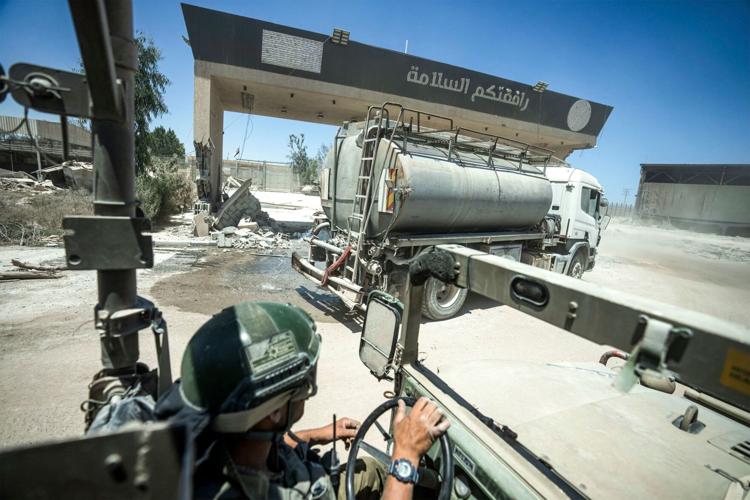
In recent times, the health crisis in Gaza has been exacerbated by a significant and contentious policy: the restriction of physicians entering the territory. Israel’s blockade, which has been in place for over a decade, imposes severe restrictions on the movement of people and goods into and out of Gaza. This policy has dire implications for the healthcare system in Gaza, particularly affecting the availability of medical professionals and the delivery of essential health services.
Background of the Blockade
The blockade of Gaza, imposed by Israel and Egypt since 2007, is a response to security concerns following Hamas’ control of the territory. The blockade severely limits the import of goods, including medical supplies, and restricts the movement of people, affecting patients who need specialized care outside Gaza and physicians who could provide such care within Gaza.
The Impact on Healthcare
- Shortage of Medical Personnel
- Gaza’s healthcare system is chronically understaffed. The restriction on the entry of physicians exacerbates this issue, leaving hospitals and clinics unable to provide adequate care. Specialists in critical fields such as oncology, cardiology, and neurosurgery are particularly scarce.
- Limited Access to Training and Knowledge Exchange
- Physicians in Gaza have limited opportunities for professional development due to travel restrictions. This hinders their ability to stay updated with the latest medical advancements and techniques, affecting the quality of care they can provide.
- Inadequate Medical Supplies and Equipment
- The blockade not only limits the movement of medical personnel but also severely restricts the import of medical supplies and equipment. This shortage impacts the ability to perform surgeries, administer treatments, and manage chronic conditions effectively.
Humanitarian Concerns
- Patient Outcomes
- The blockade leads to delays in treatment and, in many cases, preventable deaths. Patients with complex conditions often cannot access the specialized care they need, either due to the lack of local expertise or the inability to travel abroad for treatment.
- Mental Health Crisis
- The ongoing conflict and blockade contribute to a significant mental health crisis in Gaza. The lack of mental health professionals and resources compounds the issue, leaving many without necessary psychological support.
- International Response
- Numerous international organizations, including the World Health Organization (WHO) and Doctors Without Borders (Médecins Sans Frontières), have called for an easing of the blockade to allow medical professionals and supplies into Gaza. The restrictions are seen as a violation of international humanitarian law, which mandates the provision of necessary medical care to all civilians.
Calls for Policy Change
- Humanitarian Corridors
- Advocates urge the establishment of humanitarian corridors to allow the free movement of medical personnel and supplies. Such corridors would ensure that critically ill patients receive timely care and that the healthcare system in Gaza can operate more effectively.
- International Mediation
- There is a call for increased international mediation to address the blockade’s impact on healthcare. Diplomatic efforts could lead to negotiated agreements that balance security concerns with humanitarian needs.
- Long-Term Solutions
- Sustainable solutions involve addressing the root causes of the blockade and fostering peace and stability in the region. Long-term investments in Gaza’s healthcare infrastructure, coupled with lifting the blockade, are essential for ensuring the right to health for Gaza’s residents.
The blockade of Gaza and the restriction of physicians entering the territory constitute a significant humanitarian issue. The healthcare crisis in Gaza is multifaceted, with a severe shortage of medical personnel, inadequate supplies, and deteriorating patient outcomes. International advocacy and policy changes are crucial to alleviate the suffering and ensure that the people of Gaza receive the medical care they desperately need. Balancing security concerns with humanitarian imperatives is essential to uphold the right to health and dignity for all individuals in Gaza.